
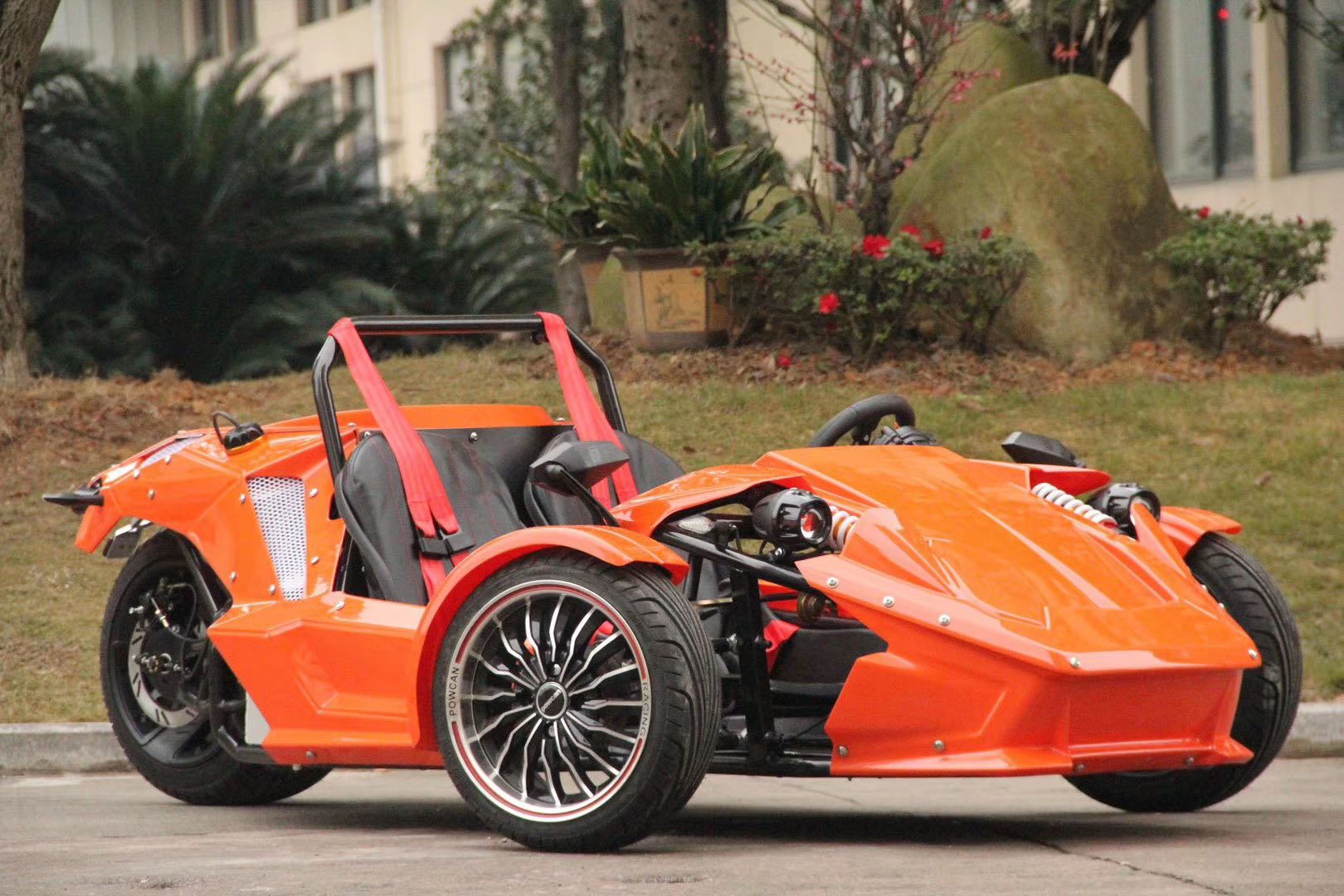
Step into any traditional British garage or home workshop from a decade ago, and the sensory memory is unmistakeable: the pungent tang of petrol fumes hanging thick in the air, grease-stained concrete floors etched with decades of oil spills, rags caked in black sludge, and the constant hum of combustion engines leaking exhaust fumes into the space. For generations, this was the unspoken reality of vehicle maintenance—a messy, oily, and often unpleasant ritual that came with owning a car or motorcycle. Fast forward to 2026, and that familiar scene is being rewritten. Garages up and down the UK, from the terraced streets of Manchester to the rural lanes of Cornwall, are undergoing a quiet revolution: they’re getting cleaner, quieter, and infinitely more sustainable. At the heart of this transformation? The rise of electric vehicles—particularly Electric Motorcycles, Electric Dirt Bikes, and Electric Bikes—and the information-driven electric tech revolution that’s reshaping how we own, maintain, and interact with our vehicles.
This isn’t just a superficial change; it’s a fundamental shift in the very nature of vehicle technology and workshop culture. For decades, combustion engines dominated our roads and our garages, relying on complex mechanical systems that required constant lubrication, fuel, and maintenance—all of which left their mark on the spaces where we care for our vehicles. Today, electric mobility is flipping that script. Electric Motorcycles, Electric Dirt Bikes, and Electric Bikes operate on a entirely different principle: they use electric motors powered by rechargeable batteries, with far fewer moving parts, no need for petrol or oil, and zero tailpipe emissions. Combine this with the information electric tech revolution—smart diagnostics, over-the-air updates, and connected maintenance systems—and you have a perfect storm for a cleaner, more efficient workshop experience. But why exactly has this shift made our garages so much cleaner? And what does this mean for British vehicle owners, enthusiasts, and the future of mobility in the UK?
To understand the Garage Revolution, we first need to look back at the “old normal” of garage maintenance. For anyone who has ever tinkered with a petrol-powered motorcycle or car, the routine is familiar: draining old engine oil into messy containers, replacing oil filters caked in grime, wiping down carburetors clogged with petrol residue, and dealing with the inevitable spills that leave permanent stains on the floor. A single oil change could leave your hands, clothes, and workbench coated in a thick, hard-to-remove sludge. Petrol fumes would linger for hours, even with the garage door open, and the risk of spills—whether from a jerry can or a faulty fuel line—meant constant vigilance. For home mechanics, this was part of the deal; for professional garages, it meant investing in expensive cleaning equipment, hazardous waste disposal systems, and ventilation to protect workers from fumes and toxins. The environmental cost was equally steep: every oil spill seeped into the ground, every petrol leak released harmful hydrocarbons into the air, and every discarded oil filter added to the growing pile of automotive waste.
Enter the electric revolution. Electric Motorcycles, Electric Dirt Bikes, and Electric Bikes eliminate nearly all of these messy elements. Let’s start with the basics: no petrol, no engine oil, no transmission fluid, no exhaust. That’s right—no more draining oil, no more wiping up petrol spills, no more breathing in fumes. The electric motor at the heart of these vehicles has just a handful of moving parts compared to the hundreds in a combustion engine, and it requires no lubrication. The battery pack, while complex, is a sealed unit that requires minimal maintenance beyond regular charging and occasional health checks. Even the brakes, which on electric vehicles often use regenerative technology to recharge the battery, wear more slowly and produce less dust than their petrol counterparts. The result? A workshop that stays clean by design, not by constant scrubbing.
Take the Electric Motorcycle, for example—a growing trend on British roads, with sales up 45% in 2025 alone, according to figures from the Society of Motor Manufacturers and Traders (SMMT). Models like the Zero SR/F or the Ducati Monster electric have become popular among commuters and enthusiasts alike, not just for their eco-friendly credentials, but for their low maintenance needs. A typical Electric Motorcycle service involves checking the battery’s state of charge, inspecting the tires and brakes, and ensuring the electrical connections are secure. There’s no oil to change, no spark plugs to replace, no air filter to clean. Even the chain, if the bike has one, requires far less lubrication than a petrol motorcycle’s chain. For a home mechanic, this means spending less time cleaning up and more time riding. For professional garages, it means a cleaner workspace, lower waste disposal costs, and a safer environment for staff.
The same logic applies to Electric Dirt Bikes, which are transforming off-road riding in the UK. For years, off-road enthusiasts faced a dilemma: their love of riding through mud, trails, and rough terrain came with the downside of a filthy workshop. Petrol-powered dirt bikes would return covered in mud, oil, and debris, requiring hours of cleaning to get them back in shape. The engine would need frequent oil changes to cope with the dust and grime, and the exhaust would be caked in soot. Electric Dirt Bikes, however, change the game. Models like the KTM Freeride E-XC or the Husqvarna EE 5 are designed to handle off-road conditions without the mess of a combustion engine. They have no exhaust to clog, no oil to leak, and their electric motors are sealed to keep out dirt and water. When you bring an Electric Dirt Bike back to the garage after a ride, you just hose off the mud, check the battery, and you’re done. No more scrubbing oil off the engine, no more dealing with petrol-stained rags, no more toxic fumes. It’s a game-changer for off-road enthusiasts who want to enjoy nature without the environmental impact—and without the messy clean-up.
Electric Bikes, too, are playing a role in the Garage Revolution, particularly for urban commuters and casual riders. The UK’s Electric Bike market has boomed in recent years, with over 1.2 million units sold in 2025, making it one of the fastest-growing segments of the mobility market. Electric Bikes are even simpler to maintain than Electric Motorcycles: they have smaller batteries, fewer electrical components, and most models require little more than regular tire checks and occasional battery maintenance. For home mechanics, this means a workshop that’s free from the mess of petrol and oil, and for those who store their Electric Bikes in small garages or even inside their homes, the lack of fumes and spills is a huge advantage. No more worrying about petrol leaks damaging your floor or fumes making your home smell—Electric Bikes are clean, quiet, and low-maintenance, perfectly suited to modern urban living.
But the Garage Revolution isn’t just about the absence of mess—it’s about the information electric tech revolution that’s making maintenance smarter, more efficient, and less intrusive. Electric vehicles are essentially rolling computers, equipped with sensors, connectivity, and software that can monitor every aspect of the vehicle’s performance. This information-driven approach means that maintenance is no longer a guesswork; it’s data-driven. For example, most modern Electric Motorcycles and Electric Bikes come with companion apps that connect to the vehicle via Bluetooth or Wi-Fi. These apps can tell you the battery’s health, alert you to any potential issues, and even schedule maintenance reminders. Some models can even perform over-the-air updates, fixing minor software glitches without you ever having to take the vehicle to a garage.
This connectivity is transforming the way we maintain our vehicles—and keeping our workshops cleaner in the process. In the past, a home mechanic might spend hours taking apart an engine to find a small fault, leaving parts scattered across the workbench and oil everywhere. Today, with smart diagnostics, you can simply check the app to see what’s wrong. If the battery is underperforming, the app will tell you. If a sensor is faulty, the app will alert you. This means fewer unnecessary拆拆卸 (disassemblies), less mess, and more time spent on actual repairs rather than troubleshooting. For professional garages, this means faster service times, fewer mistakes, and a cleaner workspace. Mechanics no longer need to drain oil or take apart engines to diagnose problems—they can simply connect a laptop to the vehicle’s onboard computer and get instant access to all the data they need.
The UK government’s commitment to electric mobility has also played a key role in driving the Garage Revolution. With the ban on new petrol and diesel vehicles set to come into force in 2030, and a £63 million investment in electric vehicle infrastructure announced in 2025, the shift to electric is accelerating rapidly. This investment includes funding for at-home charging solutions, making it easier for UK households to own electric vehicles, even if they don’t have a driveway. As more people switch to Electric Motorcycles, Electric Dirt Bikes, and Electric Bikes, the demand for clean, efficient workshops is growing. Professional garages across the UK are investing in electric vehicle training for their mechanics, upgrading their facilities to handle electric vehicles, and adopting clean maintenance practices. This shift isn’t just good for the environment—it’s good for business. Clean, modern workshops are more appealing to customers, and the lower maintenance costs of electric vehicles mean higher profit margins for mechanics.
Another factor driving the Garage Revolution is the growing community of electric vehicle enthusiasts in the UK. From local Electric Motorcycle clubs to online forums dedicated to Electric Bikes and Electric Dirt Bikes, there’s a growing movement of people who are passionate about clean mobility. These enthusiasts are sharing tips and tricks for maintaining electric vehicles, creating a culture of clean, sustainable workshop practices. Many are converting their home garages into dedicated electric vehicle workspaces, with charging stations, smart tools, and clean storage solutions. This community is helping to normalize the idea of a clean garage, showing that vehicle maintenance doesn’t have to be messy or unpleasant.
Of course, no revolution is without its challenges. The shift to electric vehicles does require some investment, both for home mechanics and professional garages. Electric vehicle batteries are heavy, so lifting equipment is often needed. Smart diagnostics tools can be expensive, and mechanics need training to use them effectively. There’s also the issue of battery disposal: while electric vehicle batteries are recyclable, the infrastructure for recycling is still developing in the UK. However, these challenges are far outweighed by the benefits. The cost of electric vehicle maintenance is significantly lower than petrol vehicles—no oil changes, no spark plug replacements, no exhaust repairs—and the environmental benefits are undeniable. Electric vehicles produce zero tailpipe emissions, and their batteries can be recycled, reducing waste and carbon emissions.
Let’s take a closer look at the environmental impact of the Garage Revolution. A single petrol-powered motorcycle produces around 110 grams of CO₂ per kilometer, while an Electric Motorcycle produces just 20 grams per kilometer—even when accounting for the emissions from electricity generation. In the UK, where 40% of electricity comes from renewable sources (and growing), the carbon footprint of electric vehicles is even lower. For Electric Dirt Bikes, the environmental benefits are even more pronounced: they produce zero emissions, so they don’t pollute the trails and countryside where they’re ridden. They’re also much quieter than petrol-powered dirt bikes, reducing noise pollution and disturbance to wildlife and local communities. In the garage, the absence of petrol and oil spills means less pollution seeping into the ground and waterways, and the reduction in hazardous waste means a cleaner environment for everyone.
The Garage Revolution is also changing the way we think about our garages. For decades, garages were seen as nothing more than a place to park cars and store tools—a functional space, but not a pleasant one. Today, with the shift to electric vehicles, garages are becoming more versatile, more comfortable, and more integrated into our homes. Many people are converting their garages into multi-purpose spaces: a workshop for maintaining their Electric Motorcycle or Electric Bike, a charging station for their vehicles, and even a home office or gym. The clean, quiet nature of electric vehicles makes this possible—no more fumes or noise to disrupt the rest of the home. This transformation is particularly evident in urban areas, where space is at a premium. A clean, efficient garage can add value to a home, making it more appealing to potential buyers who are looking to switch to electric mobility.
For professional garages, the shift to electric is also creating new opportunities. As more electric vehicles hit the roads, there’s a growing demand for mechanics who are trained in electric vehicle maintenance. The UK government’s investment in electric vehicle training programs is helping to meet this demand, creating new jobs in the automotive industry. Professional garages that specialize in electric vehicles are seeing increased business, as owners of Electric Motorcycles, Electric Dirt Bikes, and Electric Bikes seek out mechanics with the expertise to maintain their vehicles. These garages are also adopting sustainable practices, such as using renewable energy to power their workshops, recycling battery components, and reducing waste. This not only helps the environment but also attracts eco-conscious customers who want to support businesses that share their values.
Let’s hear from some real-life examples of the Garage Revolution in action. Take Mark, a home mechanic from Bristol who recently switched from a petrol motorcycle to an Electric Motorcycle. “I’ve been tinkering with petrol bikes for 20 years, and I was used to the mess—oil on my hands, petrol fumes in the garage, stains on the floor,” he says. “Since I got my Electric Motorcycle, my garage is unrecognizable. I don’t have to deal with oil changes or petrol spills anymore. I just charge it up, check the tires, and I’m good to go. It’s cleaner, quieter, and so much easier to maintain. I even converted part of my garage into a small office—something I never would have done with a petrol bike because of the fumes.”
Then there’s Sarah, who runs a small garage in Edinburgh specializing in electric vehicles. “We made the switch to electric maintenance three years ago, and it’s been a game-changer,” she explains. “Our workshop is so much cleaner now—no more oil spills, no more petrol fumes. Our mechanics love it, and our customers do too. We’ve seen a huge increase in business from Electric Motorcycle and Electric Bike owners, and we’re investing in more training and equipment to keep up with demand. The government’s investment in electric infrastructure has really helped—more people are switching to electric, and they need a garage they can trust to maintain their vehicles.”
The Garage Revolution is also evident in the growing popularity of DIY electric vehicle maintenance. Thanks to the information electric tech revolution, home mechanics have access to more resources than ever before. Online tutorials, video guides, and community forums make it easy to learn how to maintain Electric Motorcycles, Electric Dirt Bikes, and Electric Bikes. Many electric vehicle manufacturers also provide detailed maintenance guides and even offer training courses for home mechanics. This accessibility means that more people are taking control of their vehicle maintenance, and doing so in a clean, sustainable way.
Looking to the future, the Garage Revolution shows no signs of slowing down. As electric vehicle technology continues to advance, batteries will become more efficient, charging times will decrease, and maintenance will become even simpler. The information electric tech revolution will continue to make diagnostics and maintenance more data-driven, reducing the need for physical拆拆卸 and making workshops even cleaner. The UK government’s commitment to net zero by 2050 will further accelerate the shift to electric mobility, and garages will continue to evolve to meet the needs of electric vehicle owners.
In the coming years, we can expect to see more smart garages, equipped with charging stations, smart diagnostics tools, and renewable energy sources. Home garages will become even more integrated into our homes, serving as multi-purpose spaces that are clean, quiet, and sustainable. Professional garages will continue to specialize in electric vehicle maintenance, offering fast, efficient, and eco-friendly services. The culture of vehicle maintenance will shift from one of mess and inconvenience to one of cleanliness, efficiency, and sustainability.
So, why is your workshop cleaner than ever? It’s because the electric revolution—led by Electric Motorcycles, Electric Dirt Bikes, and Electric Bikes—and the information electric tech revolution have transformed the way we maintain our vehicles. No more petrol fumes, no more oil spills, no more messy maintenance routines. Instead, we have clean, quiet, efficient vehicles that are easier to maintain and better for the environment. The Garage Revolution isn’t just about cleaner workshops—it’s about a cleaner, more sustainable future for mobility in the UK.
Whether you’re a home mechanic, a professional garage owner, or simply someone who owns an Electric Motorcycle, Electric Dirt Bike, or Electric Bike, you’re part of this revolution. Every time you charge your vehicle, every time you perform a clean maintenance check, every time you choose electric over petrol, you’re helping to create a cleaner, greener future. The garage of the future is here—and it’s cleaner than ever.
As we look ahead to 2030 and beyond, the Garage Revolution will continue to reshape our relationship with vehicles and the spaces where we care for them. It’s a revolution that’s good for the environment, good for our health, and good for our communities. So, the next time you step into your garage, take a moment to appreciate the change—no more oil stains, no more fumes, just a clean, quiet space where you can maintain your electric vehicle and prepare for your next ride. That’s the power of the Garage Revolution.
