
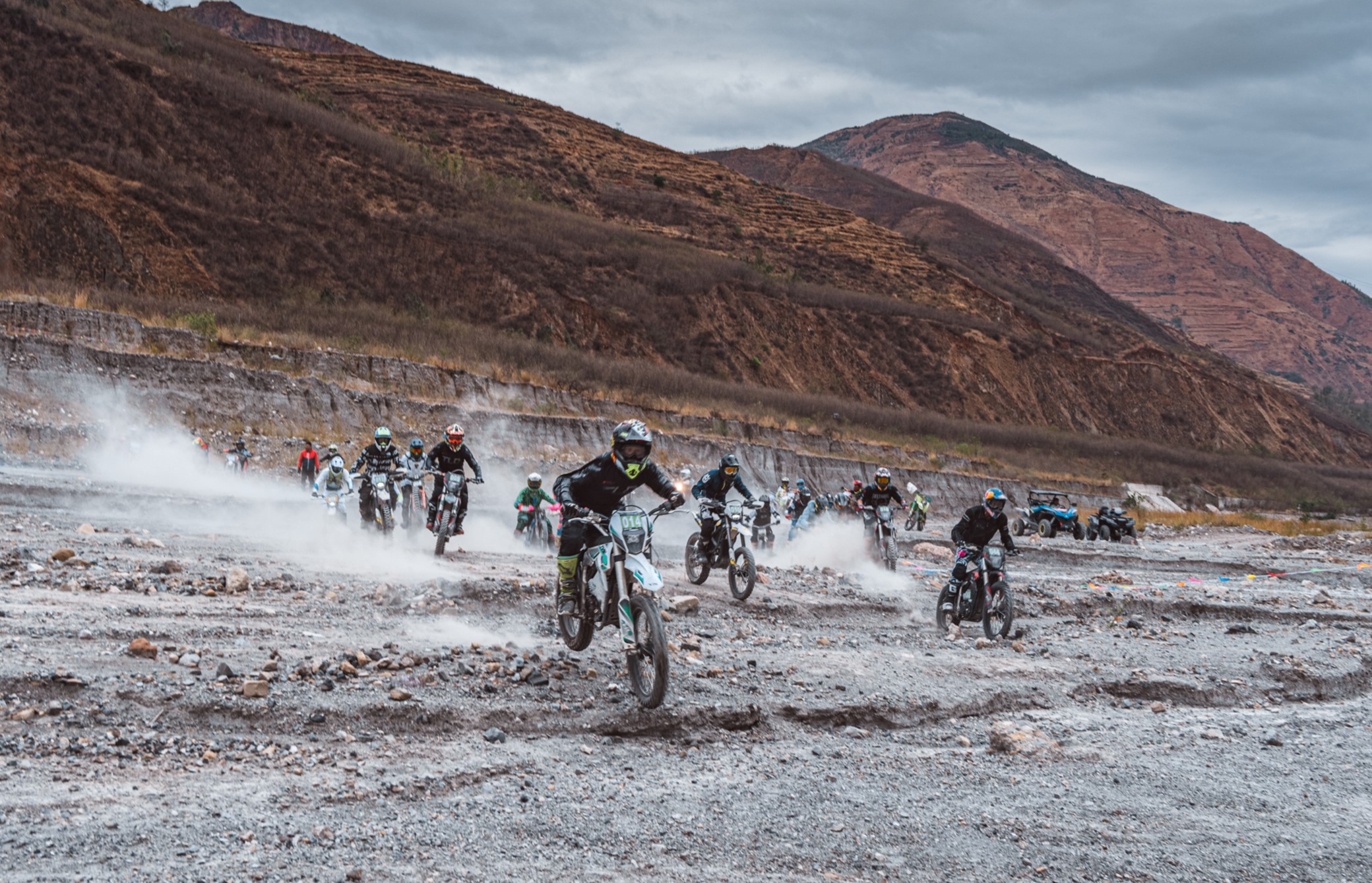
Your Gateway to the Electric Revolution Awaits
There is a particular electricity in the air today—not the kind that powers our machines, but the energy of transformation itself. We are living through a revolution in how humanity moves through the world, and nowhere is this more exhilarating than in the realm of off-road motorcycling. The gasoline engines that once defined our sport are giving way to something cleaner, smarter, and in many ways, more thrilling. The electric off-road motorcycle has arrived, and it is inviting a new generation of riders to discover what adventure truly means.
If you are reading this, you stand at a threshold that countless enthusiasts have crossed before you—the moment when curiosity crystallizes into commitment, when the dream of owning your first electric dirt bike becomes a tangible reality. Perhaps you’ve been captivated by the silent surge of an electric machine launching up a rocky climb. Maybe you’ve watched riders float through forests with nothing but tire crunch and wind for accompaniment. Or possibly you’ve simply recognized that the future is electric, and you’re ready to claim your place in it.
Whatever brought you here, know this: choosing your first electric off-road motorcycle is not merely a purchase decision. It is a declaration of independence from the old ways, an embrace of innovation, and an investment in countless adventures yet to come. This guide will walk you through the essential considerations—size, power, and budget—with the passion and precision that this moment deserves.
So let your excitement charge up. The perfect machine for your electric awakening is out there, and together we will find it.
Understanding the Electric Landscape: What Makes These Machines Special
Before diving into specifics, we must appreciate what makes electric off-road motorcycles fundamentally different from their gasoline predecessors—and why those differences matter for your selection process.
The heart of every electric machine is its battery pack and motor, replacing the complex mechanical symphony of pistons, valves, and exhaust with elegant electromagnetic force. This transformation eliminates entire categories of maintenance: no oil changes, no air filters, no valve adjustments, no clutch replacements, no carburetor cleanings. The reliability implications are staggering—your electric bike simply works, ride after ride, season after season.
The power delivery is equally transformative. Electric motors produce maximum torque from zero RPM, meaning instant, linear acceleration that responds with telepathic precision to your right hand’s commands. There is no power band to manage, no clutch slip to master, no engine stall to fear. For beginners, this accessibility is liberating. For experienced riders, the control precision opens new dimensions of technical capability.
Weight distribution differs significantly as well. Battery packs typically sit low in the chassis, creating centralized mass that enhances stability and cornering confidence. The absence of reciprocating engine components reduces vibration, minimizing fatigue during long rides. These characteristics make electric machines feel planted, predictable, and remarkably easy to ride fast.
Understanding these fundamentals shapes every aspect of your selection process. You are not shopping for a gasoline bike with a battery substitution—you are entering a new paradigm of motorcycling, and your criteria must evolve accordingly.
Sizing Your Adventure: Finding the Right Physical Fit
Motorcycle sizing is where dreams meet reality, where the bike that looks perfect in photographs must actually work with your body. The electric off-road motorcycle market spans an enormous range of sizes, from compact machines suitable for younger or smaller riders to full-sized beasts that demand substantial physical presence to control.
Seat Height: Your Foundation of Confidence
Seat height is the most critical dimensional consideration, directly affecting your ability to put feet down for balance, maneuver at low speeds, and maintain confidence when terrain gets technical. Electric dirt bikes typically range from approximately 26 inches for youth and small adult models to over 37 inches for full-sized adult machines.
The traditional wisdom holds that you should be able to place both feet flat on the ground while seated. For absolute beginners, this remains excellent advice—having that solid footing provides psychological security that accelerates skill development. However, experienced riders often accept tiptoe contact or even one-foot balancing in exchange for greater ground clearance and suspension travel that enhance off-road capability.
Be honest about your inseam measurement, not your height. Long torso with short legs requires different sizing than long legs with short torso. Visit dealerships, sit on actual machines, and feel how weight distribution affects your stability. The electric bike’s low center of mass often makes taller seat heights more manageable than equivalent gasoline machines, as the mass doesn’t shift dramatically when you dab a foot.
Weight Considerations: Managing Your Machine
Electric off-road motorcycles vary enormously in weight, from under 100 pounds for youth models to over 250 pounds for high-performance adult machines with substantial battery capacity. This weight matters for maneuverability, lifting the bike after falls, loading onto transport vehicles, and general fatigue during long rides.
For smaller riders, newer riders, or those with physical limitations, prioritizing lighter machines makes enormous sense. The confidence gained from easily controlling your bike at low speeds, from picking it up independently after inevitable tip-overs, from loading it without assistance—these factors determine whether you ride twice a month or twice a week.
However, don’t automatically dismiss heavier machines. The weight distribution of quality electric bikes often makes them feel lighter than their specifications suggest. Battery mass positioned low and centralized creates stability that masks absolute weight. Test riding reveals more than specifications ever can.
Ergonomic Fit: The Complete Picture
Beyond seat height and weight, consider the complete ergonomic package. Handlebar reach should allow comfortable standing position without excessive forward lean or cramped upright posture. Foot peg position affects your ability to grip the bike with your legs and maintain proper body positioning through technical terrain. Seat shape and padding determine comfort during extended seated sections.
The standing position deserves particular attention for off-road riding. Most technical riding occurs standing on the pegs, and your bike must accommodate this posture comfortably. Handlebar height, peg-to-seat relationship, and overall proportions should feel natural when you rise from the saddle.
Remember that electric bikes often allow greater ergonomic flexibility than gasoline equivalents. Without exhaust systems to route, fuel tanks to accommodate, or engine heat to manage, designers have more freedom in placing components. Many electric models offer adjustable handlebar positions, seat heights, or peg locations that let you fine-tune fit.
Power and Performance: Matching Capability to Ambition
The electric off-road motorcycle market offers power outputs ranging from gentle 2-kilowatt machines suitable for absolute beginners to ferocious 50+ kilowatt beasts that challenge professional racers. Navigating this spectrum requires honest self-assessment and clear-eyed understanding of how you will actually use your machine.
Understanding Electric Power Metrics
Electric motorcycles are typically rated by continuous power output in kilowatts (kW), with peak outputs sometimes significantly higher. For rough gasoline equivalence: 5 kW approximates 125cc performance, 10-15 kW compares to 250cc four-stroke, and 25+ kW enters 450cc territory. However, these comparisons mislead more than illuminate because torque delivery characteristics differ so dramatically.
More useful metrics include:
- Peak torque: Instantaneous twisting force available from zero RPM
- Power delivery modes: Adjustable maps that tailor output to conditions and skill
- Throttle response: How immediately and linearly power follows grip input
- Top speed: Maximum velocity achievable, relevant for your intended terrain
- Range: Distance achievable on a full charge under typical use conditions
The Beginner’s Sweet Spot
For your first electric off-road motorcycle, moderate power offers distinct advantages. Machines in the 5-15 kW range provide genuinely thrilling acceleration while remaining forgiving of ham-fisted throttle application. The learning curve steepens more gently when mistakes result in manageable situations rather than instant chaos.
Adjustable power modes multiply this advantage. Many electric bikes offer Eco, Normal, and Sport settings that transform the same machine from gentle learning platform to aggressive performer. This scalability means your first bike can grow with you, delaying the need for upgrade as skills develop.
Consider your intended terrain carefully. Tight, technical singletrack rewards precise low-speed control more than raw power. Open desert and fire roads allow higher speeds where greater output becomes relevant. Rocky, technical climbing demands torque more than horsepower. Match your power selection to your playground.
Range Reality: The Critical Calculation
Range anxiety haunts electric vehicle discussions, but intelligent selection eliminates this concern. Modern electric off-road motorcycles offer anywhere from 20 miles to over 100 miles of trail riding per charge, depending on battery capacity, terrain, riding style, and power mode selection.
Honestly assess your typical riding patterns. Do you launch from home for two-hour trail sessions? Range requirements differ dramatically from riders who trailer to remote locations and spend full days exploring. Weekend warriors have different needs than daily commuters who also weekend trail ride.
Battery capacity, measured in kilowatt-hours (kWh), directly determines range. Budget constraints often force capacity compromises, but understand the implications: smaller batteries require more frequent charging, limit exploration radius, and may degrade faster due to deeper discharge cycles. Larger batteries add weight and cost but deliver freedom and longevity.
Charging infrastructure matters too. Home garage with dedicated 240V outlet enables overnight full charges. Apartment living with only standard outlets extends charging times dramatically. Access to public charging or destination charging at riding areas expands possibilities.
Some riders invest in portable solar charging setups for multi-day backcountry adventures. Others carry spare battery packs that swap in minutes, effectively doubling range. Consider these ecosystem elements as part of your power and range planning.
Budgeting for Electric Freedom: The Complete Financial Picture
The financial transition to electric off-road motorcycling involves more than sticker price. Understanding total cost of ownership empowers informed decisions that maximize adventure per dollar invested.
Purchase Price Spectrum
Entry-level electric off-road motorcycles suitable for adult beginners typically start around $3,000-$5,000, offering genuine capability without premium features or massive battery capacity. Mid-range machines from established manufacturers generally fall between $6,000-$12,000, delivering superior components, larger batteries, and more sophisticated electronics. Premium performance models from leading brands can exceed $15,000, with top-tier race machines approaching or exceeding $20,000.
This spectrum roughly parallels gasoline equivalents, though electric machines often command slight premiums that continue narrowing as manufacturing scales increase. The critical difference lies not in acquisition cost but in ongoing operating expenses.
Operating Cost Revolution
Electric off-road motorcycles demolish gasoline machines in operating economics. Electricity costs a fraction of premium gasoline per mile. Maintenance requirements reduce to chain lubrication, brake pad replacement, tire wear, and occasional suspension service—eliminating the engine maintenance that dominates traditional dirt bike budgets.
Consider a typical riding season: 50 trail sessions consuming half-gallon of premium gasoline each totals roughly $100-150 in fuel alone, plus $200-400 in oil changes, air filters, and routine engine maintenance. The electric equivalent might consume $20-30 in electricity with virtually no engine-related maintenance. Over five years, these savings accumulate into thousands of dollars.
Battery replacement represents the electric wildcard. Quality lithium-ion battery packs should deliver 1,000-2,000 charge cycles before significant capacity degradation. For typical riders, this translates to 5-10 years of service. Replacement costs range $1,000-$3,000 depending on capacity and brand. Factor this eventual expense into long-term budgeting, while recognizing that gasoline machines also face eventual engine rebuilds of comparable cost.
Hidden Costs and Smart Investments
Beyond the machine itself, budget for essential accessories and protective gear. Quality helmet ($200-600), boots ($200-500), body armor ($150-400), gloves ($50-150), and goggles ($50-150) represent non-negotiable safety investments. Riding gear designed specifically for off-road use enhances comfort and protection across varied conditions.
Charging infrastructure may require investment. A quality Level 2 home charging station ($300-800 plus installation) dramatically improves convenience for dedicated riders. Portable charging solutions extend adventure possibilities. Spare battery packs, if available for your chosen model, multiply range at significant additional cost.
Insurance, registration, and licensing vary by jurisdiction but generally cost less for electric machines due to reduced theft risk and favorable regulatory treatment. Investigate local requirements to incorporate these expenses accurately.
Financing and Incentives
Many jurisdictions offer purchase incentives for electric vehicles—tax credits, rebates, or registration fee reductions that can offset premium pricing. Research available programs thoroughly; savings of $500-$2,000 are common where such incentives exist.
Manufacturer financing programs often feature favorable terms for electric machines, reflecting corporate commitment to market development. Credit unions and green lending initiatives may offer reduced rates for electric vehicle purchases.
Consider total cost of ownership rather than fixating on sticker price. A higher initial investment in superior battery capacity, build quality, and manufacturer support often delivers lower lifetime costs and higher resale value than bargain alternatives.
Brand Selection: Reputation, Support, and Community
The electric off-road motorcycle market features established powersports brands, dedicated electric startups, and emerging international manufacturers. Navigating this landscape requires research into factors beyond specifications.
Established Manufacturers
Traditional motorcycle brands entering the electric space—KTM with its Freeride E-XC, Honda with emerging electric prototypes, Yamaha’s electric development programs—offer advantages of extensive dealer networks, proven warranty systems, and deep engineering resources. Parts availability and service expertise follow naturally from existing infrastructure.
However, these legacy brands sometimes move cautiously, with less innovative designs and slower iteration cycles than dedicated electric specialists. Their machines may feel conservative compared to boundary-pushing startups.
Electric-Native Brands
Companies born specifically for electric off-road motorcycling—Cake from Sweden, Sur-Ron and Talaria from China, Kuberg from the Czech Republic—often lead in innovation, weight reduction, and electric-specific optimization. Their designs reflect unencumbered thinking about what electric machines can be.
The tradeoff involves less established service networks, evolving warranty support, and sometimes questions about long-term parts availability. Research user communities, warranty claim experiences, and manufacturer stability before committing.
Community and Ecosystem
The community surrounding a brand significantly impacts ownership satisfaction. Active user forums, social media groups, organized events, and racing programs enhance the ownership experience and provide invaluable troubleshooting resources. Brands with passionate user bases often see superior aftermarket development—accessories, performance parts, and customization options that extend your machine’s capabilities and individuality.
Attend local electric motorcycle gatherings, join online communities, and connect with existing owners before purchasing. Their candid experiences reveal truths that marketing materials obscure.
Test Riding: The Non-Negotiable Step
Specifications, reviews, and photographs inform but cannot replace direct experience. Test riding your shortlisted candidates is absolutely essential before purchase.
Schedule dedicated test sessions rather than brief parking lot loops. Quality dealerships and manufacturer events offer trail access that reveals true character. Evaluate across multiple dimensions: low-speed maneuverability, standing comfort, power delivery smoothness, suspension performance on varied terrain, brake feel, and that intangible quality of “rightness” that connects rider to machine.
Bring your riding gear and be prepared to spend meaningful time on each candidate. The bike that feels perfect in first five minutes may reveal limitations over extended use. Conversely, initial unfamiliarity often gives way to appreciation as you adapt to different characteristics.
Test in conditions resembling your intended use. Technical singletrack evaluation differs enormously from fire road cruising. If possible, replicate your typical riding environment.
Making the Decision: Trusting Your Instincts
After research, comparison, and testing, the final selection involves emotional intelligence as much as analytical rigor. The right electric off-road motorcycle resonates with you—it inspires excitement when you approach it, confidence when you ride it, and pride when you describe it to fellow enthusiasts.
Budget constraints are real, but avoid selecting purely on price. The slightly more expensive machine that genuinely excites you will deliver infinitely more satisfaction than the bargain that leaves you vaguely disappointed. Motorcycling is passion-driven; your investment should stoke that passion.
Consider your growth trajectory. The machine that perfectly matches today’s skills may limit tomorrow’s development. Select with some headroom for advancement, without overreaching into territory that intimidates rather than inspires.
Trust the cumulative wisdom of your research, testing experiences, and emotional responses. The decision will become clear when you’ve honestly engaged the process.
Your Electric Beginning
Choosing your first electric off-road motorcycle marks a pivotal moment—not merely in your motorcycling journey, but in your relationship with technology, environment, and adventure itself. The machine you select will carry you through formative experiences, build skills that last a lifetime, and create memories that define your riding identity.
Approach this decision with the seriousness it deserves and the enthusiasm it demands. Research thoroughly, test extensively, budget comprehensively, and then commit wholeheartedly. The electric revolution rewards early adopters not with compromise, but with enhancement—cleaner, quieter, simpler, and in many ways more thrilling than what came before.
Your perfect electric off-road motorcycle awaits. Size it to your stature, power it to your ambition, and budget it to your reality. Then charge forward into a future where adventure and sustainability ride together, where silence amplifies rather than diminishes the experience, where every twist of the throttle connects you more deeply to the terrain you traverse.
The trails are calling. The future is electric. And your journey begins now.
Ride on.
