
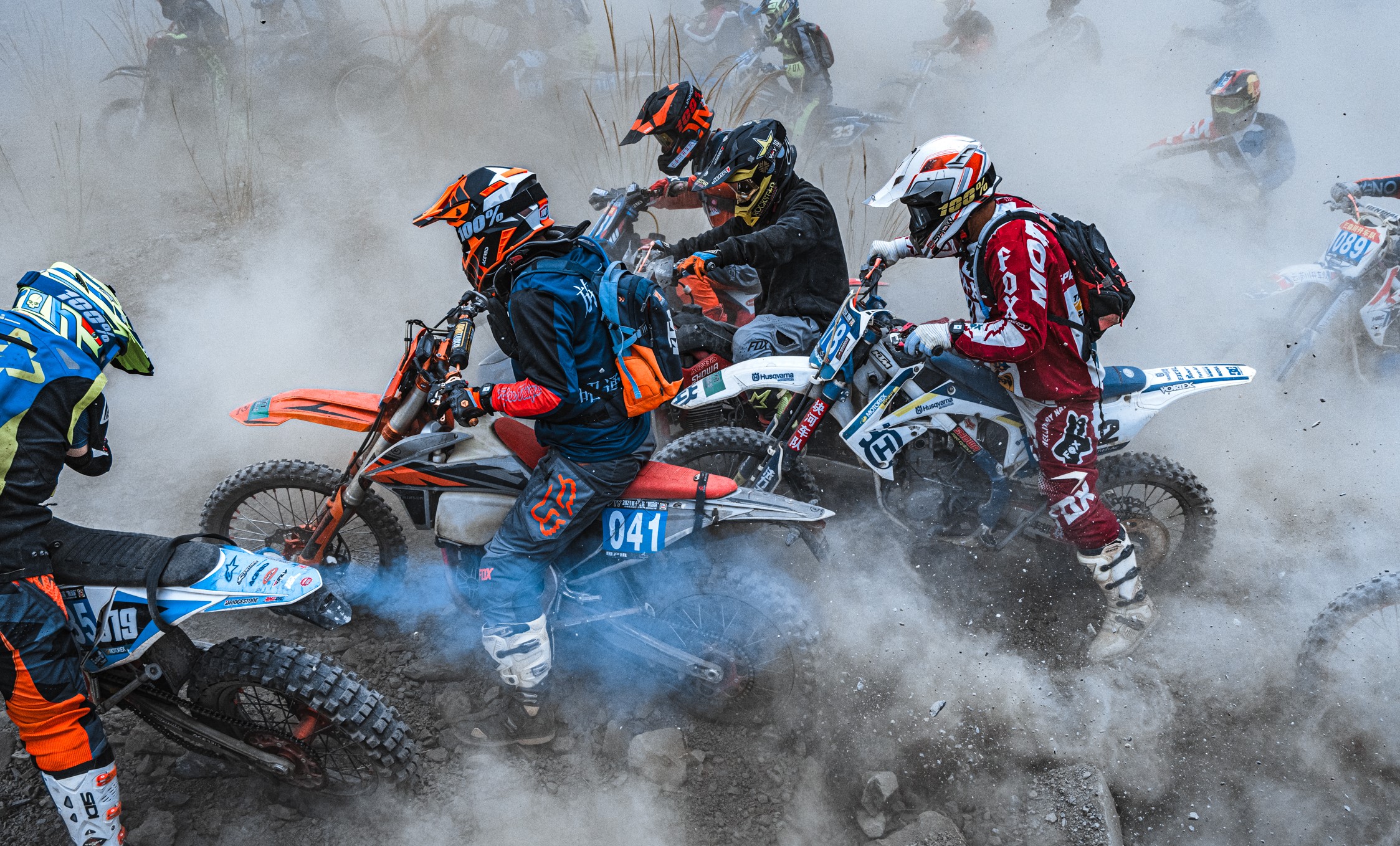
Embracing the Future of Adventure
There’s something magical about the moment you first twist the throttle and feel the earth fall away beneath your wheels. For decades, that magic has been powered by the thunderous roar of two-stroke and four-stroke engines, the smell of premix oil, and the ritual of kick-starting a cold engine on a frosty morning. But times are changing, and a new revolution is electrifying the off-road world—literally.
Welcome to the era of electric off-road motorbikes, where the silence is deafening, the torque is instantaneous, and the adventure is more accessible than ever before. If you’re a traditional petrol-head considering the leap to electric, or a complete newcomer drawn to the whisper-quiet promise of battery-powered exploration, this guide is your roadmap to an exhilarating new chapter. The transition from gas to electric isn’t just a technological shift—it’s an emotional evolution that opens doors to riding experiences you never thought possible.
Why Electric? The Case for Change
The Environmental Awakening
Let’s address the elephant in the room first. Traditional off-road motorbikes, while incredibly fun, aren’t exactly friends of the environment. A single two-stroke engine can produce as much pollution in an hour as thirty modern cars. As riders, we have a unique relationship with nature—we seek out pristine forests, desert landscapes, and mountain trails precisely because we love the outdoors. There’s a beautiful irony in recognizing that our passion for exploring nature has often come at nature’s expense.
Electric motorbikes change this equation entirely. Zero emissions at the point of use means you can ride through sensitive ecosystems without leaving a carbon footprint. No exhaust fumes means no more coughing your way up steep climbs, and no more worrying about whether that beautiful alpine meadow can handle your weekend hobby. The environmental consciousness isn’t about guilt—it’s about pride. Imagine finishing an epic trail ride knowing that the only thing you left behind was tire tracks in the dirt, and even those will wash away with the next rain.
The Sound of Silence (and Why It’s Glorious)
Here’s where traditionalists often push back. “But the sound!” they cry. “The engine noise is part of the experience!” And yes, there’s undeniable romance in the braap of a finely-tuned two-stroke echoing through a canyon. But let me paint you a different picture.
Picture yourself gliding through a forest trail, the only sound being the crunch of tires on loam, the whisper of wind past your helmet, and your own breathing. You spot a deer twenty meters ahead, frozen in curiosity rather than fleeing in terror. You hear the stream before you see it. You catch the rustle of a hawk taking flight from a nearby branch. The silence doesn’t diminish the experience—it amplifies your connection to the environment around you.
Moreover, that silence is a passport to places previously closed to motorbikes. Noise complaints have led to trail closures across the world, but electric bikes are opening them back up. Private landowners who once banned “noisy dirt bikes” are reconsidering. Urban riding spots are becoming viable again. The silence isn’t a compromise; it’s a superpower.
Performance That Defies Expectations
If you think electric bikes are glorified bicycles with delusions of grandeur, prepare for a revelation. Modern electric off-road motorbikes deliver performance that can make gas bikes blush. The secret lies in the nature of electric torque.
Electric motors deliver 100% of their torque instantly, from zero RPM. There’s no waiting for the powerband to hit, no clutch slipping to find the sweet spot, no engine bogging in technical sections. When you need power, it’s there—immediately, precisely, and controllably. This instant response transforms technical riding. Rocky climbs become more manageable. Tight switchbacks feel less intimidating. The bike becomes an extension of your intentions rather than a machine you must wrestle into submission.
Take the Sur-Ron Light Bee X, for example—a bike that has taken the entry-level market by storm. With 6 kW of peak power (that’s roughly 8 horsepower), it might sound modest compared to a 450cc four-stroke. But because all that power is available instantly and continuously, it punches well above its weight class. Riders consistently report that it feels faster than its numbers suggest, especially in real-world trail conditions where instant torque matters more than top-end horsepower.
Understanding the Electric Landscape
The Powertrain Simplified
One of the beauties of electric motorbikes is mechanical simplicity. Where a gas engine has hundreds of moving parts—pistons, valves, camshafts, clutches, gears, chains requiring constant maintenance—an electric motor has essentially one. This simplicity translates to reliability that gas bikes can’t match.
The basic architecture is straightforward: a battery pack stores energy, a controller manages power delivery, and a motor converts that electrical energy into mechanical rotation. That’s it. No carburetors to clean, no valves to adjust, no oil changes, no air filters to replace, no spark plugs to foul.
For newcomers, this simplicity is liberating. You can focus entirely on riding technique rather than mechanical sympathy. For experienced gas bike riders, it requires a mindset shift. You’ll find yourself reaching for a clutch lever that isn’t there, or listening for engine feedback that comes differently. But adaptation happens quickly, and most riders report that within a few hours, the electric interface feels more natural than the gas equivalent ever did.
Battery Technology: The Heart of the Matter
The battery is the soul of an electric motorbike, and understanding it is key to happy ownership. Modern off-road e-bikes typically use lithium-ion battery packs, similar technology to what powers electric cars but optimized for the unique demands of off-road riding.
Capacity is measured in kilowatt-hours (kWh), and for off-road bikes, you’ll typically see ranges from 2 kWh to 6 kWh. But raw capacity only tells part of the story. The battery’s ability to deliver power quickly (its discharge rate) matters just as much for performance riding. High-quality battery management systems (BMS) protect the cells, balance charging, and ensure longevity.
Range anxiety is the most common concern for prospective buyers, but it’s often overstated for off-road use. Consider your actual riding patterns. Most recreational trail rides last 2-3 hours and cover 20-40 kilometers. Modern electric bikes easily handle this. The Segway X260, for instance, offers up to 120 kilometers of range in eco mode—far more than most riders’ legs can handle in a single day!
Charging has become remarkably convenient. Standard home outlets provide Level 1 charging, adding roughly 10-15 kilometers of range per hour. Dedicated Level 2 chargers (like those used for electric cars) can fully charge most bike batteries in 3-4 hours. For the truly impatient, some high-end models support fast charging that can deliver 80% charge in under an hour.
The Motor Types: Hub vs. Mid-Drive
You’ll encounter two primary motor configurations in the electric off-road world: hub motors and mid-drive motors.
Hub motors sit inside the rear wheel (or sometimes the front). They’re simple, reliable, and provide direct power to the wheel. They’re common in entry-level and street-oriented electric bikes. However, they add unsprung weight (weight not supported by the suspension), which can affect handling on rough terrain, and they can’t utilize traditional motorcycle gearing.
Mid-drive motors, positioned at the bike’s center where a traditional engine would sit, are the choice for serious off-road performance. They work through the bike’s chain or belt drive, allowing the use of traditional motorcycle gearing systems. This means you can change sprockets to adjust power delivery for different terrain, just like on a gas bike. The central placement also maintains better weight distribution and keeps unsprung weight low, preserving suspension performance.
For dedicated off-road riding, mid-drive systems are generally superior, though hub motors have their place in lighter-duty applications and offer appealing simplicity.
The Transition Experience: What to Expect
The Learning Curve (It’s Shallower Than You Think)
If you’re coming from gas bikes, your muscle memory will need some updates, but your core skills transfer completely. The fundamentals—body positioning, throttle control, braking technique, line selection—remain identical. The difference lies in the interface.
The most immediate adjustment is the lack of clutch and gears. On an electric bike, you twist and go. This actually simplifies technical riding significantly. No more stalling on steep climbs because you released the clutch too quickly. No more hunting for the right gear before a jump. The bike is always in the “right gear” because there are no gears, just smooth, continuous power delivery.
Regenerative braking is another new concept. Many electric bikes can recover energy during braking, slowing the bike while recharging the battery. This feels like engine braking on a gas bike, but often stronger and more adjustable. It takes some experimentation to find your preferred settings, but many riders come to love the one-finger braking it enables in technical terrain.
For complete beginners, electric bikes offer an incredibly approachable entry point. The predictable power delivery, absence of stalling, and lower maintenance requirements remove many of the intimidation factors that deter new riders. You can focus on building fundamental skills without simultaneously juggling clutch control and powerband management.
The Maintenance Revolution
Here’s where electric ownership truly shines. The maintenance schedule for a gas off-road bike is a part-time job: oil changes every few rides, air filter cleaning after every dusty session, chain adjustments, valve clearances, top-end rebuilds every hundred hours, clutch replacements… the list goes on, and so does the expense.
Electric bikes redefine “low maintenance.” The motor requires essentially zero maintenance. There’s no oil to change, no filters to clean, no valves to adjust. Your primary maintenance items are the chain (same as gas bikes), brake pads (often lasting longer due to regenerative braking), and tires. Battery care is mostly automatic, managed by the bike’s electronics.
This doesn’t just save money—it changes how you interact with your bike. The psychological barrier of “I should work on the bike before I can ride” disappears. When the urge to hit the trails strikes, you check the charge level and go. For busy adults balancing riding with careers and families, this convenience is transformative.
The Cost Equation
Electric motorbikes typically command higher upfront prices than equivalent gas bikes, though this gap is narrowing rapidly. However, the total cost of ownership tells a different story.
Consider the running costs. Electricity is dramatically cheaper than gasoline. A full charge might cost $1-2 compared to $15-20 for a tank of premium premix. Maintenance savings add up quickly—no oil, no filters, no engine rebuilds. Over a few years of regular riding, the electric bike often becomes the more economical choice.
Resale value is an evolving picture. As electric technology advances rapidly, older models can depreciate faster than gas bikes. However, as acceptance grows and early models prove their durability, this is stabilizing. Buying from established brands with strong dealer networks provides some protection.
Choosing Your First Electric Off-Road Bike
Entry-Level Excellence: The Gateway Bikes
For newcomers and casual riders, several models offer exceptional value and approachable performance.
The Sur-Ron Light Bee X has become the default recommendation for good reason. At around $4,000-5,000, it delivers performance that embarrasses gas bikes costing twice as much. With 60+ km of real-world range, 85 km/h top speed, and genuine off-road capability, it’s the perfect bridge between bicycle and motorcycle. It’s light enough to pick up when you crash (and you will crash—it’s part of learning), powerful enough to keep experienced riders entertained, and simple enough for beginners to master quickly.
The Segway X260 (essentially a rebranded Sur-Ron with some refinements) offers similar performance with slightly more polished electronics and app integration. The Talaria Sting provides a more motorcycle-like experience with full-size wheels and geometry, bridging the gap between the Sur-Ron’s bicycle roots and traditional dirt bikes.
These entry-level bikes excel at trail riding, light enduro, and urban exploration. They’re not race bikes, but they’re not pretending to be. What they offer is pure, accessible fun at a price point that makes electric ownership achievable for almost anyone.
Stepping Up: Performance Electric Enduro
For riders seeking genuine competition capability or aggressive technical riding, the mid-market offers impressive options.
The KTM Freeride E-XC represents traditional motorcycle manufacturers entering the electric space with serious intent. With proper enduro geometry, high-quality suspension, and KTM’s racing pedigree, it’s a genuine alternative to gas enduro bikes for many riders. The Husqvarna EE 5 offers similar capability with Swedish styling.
The Electric Motion EPure series from France brings European craftsmanship to electric trials and enduro riding, with exceptional build quality and refined power delivery. These bikes can handle genuine hard enduro terrain while remaining approachable for intermediate riders.
At this level, you’re looking at $8,000-12,000 investments, but you’re getting motorcycles that can compete with or exceed 250cc gas bikes in most off-road scenarios. The performance is no longer “good for electric”—it’s simply good, period.
The Cutting Edge: Premium Performance
For those who demand the absolute best and have the budget to match, premium electric bikes are pushing boundaries previously thought impossible.
The Stark Varg has sent shockwaves through the motocross world. Developed by former KTM engineers with funding from Sebastian Vettel (yes, the Formula 1 champion), it delivers 80 horsepower—more than a 450cc motocross bike—with a weight under 110 kg. It offers customizable power delivery through smartphone apps, allowing riders to dial in everything from gentle beginner modes to aggressive pro-level output. At $13,000+, it’s not cheap, but it outperforms gas bikes costing similar money while offering advantages they can’t match.
The Alta Motors Redshift (while the company has unfortunately ceased production, used models remain available) proved that electric bikes could compete in professional supercross. Their durability and performance silenced many skeptics and paved the way for current developments.
These premium bikes aren’t just alternatives to gas bikes—they’re setting new standards for what’s possible in off-road motorcycling.
Living with Electric: Practical Realities
Charging Infrastructure and Strategy
For home charging, a standard garage outlet suffices for overnight charging of any electric bike. If you ride frequently, installing a Level 2 charger (240V) provides faster turnaround between rides.
Trailhead charging remains the biggest logistical challenge for electric off-road riding, but solutions are emerging. Portable generators can provide field charging, though this somewhat defeats the environmental benefits. Solar charging setups are becoming practical for multi-day adventures. Some riding areas are installing charging stations, recognizing that electric riders represent the future.
Smart charging strategy involves topping up whenever possible rather than running to empty. Many riders carry portable chargers and take advantage of any available outlet during lunch breaks or rest stops. As electric vehicle infrastructure expands generally, opportunistic charging becomes increasingly viable.
Range Management: Riding Smarter, Not Harder
Range anxiety diminishes rapidly with experience as you learn to read your bike’s consumption patterns. Aggressive throttle use, steep climbs, and high speeds drain batteries faster; smooth, technical riding is often remarkably efficient.
Most modern bikes offer multiple power modes. Eco modes extend range significantly by limiting power output—often still providing more performance than entry-level gas bikes. Learning to match power modes to terrain is part of the electric skillset. Technical singletrack in Eco mode, open desert in Sport mode.
Carrying a small, portable charger becomes second nature for many riders. A 30-minute lunch break can add significant range, and most cafes or restaurants are happy to let you plug in if you buy a sandwich.
Community and Culture
The electric off-road community is vibrant, growing, and remarkably diverse. Online forums buzz with technical discussions, ride reports, and modification ideas. Local riding groups increasingly welcome electric riders, and dedicated electric-only events are becoming common.
There’s a particular camaraderie among early adopters—a shared excitement about being part of something new. The culture tends to be welcoming to newcomers, perhaps because we’re all figuring this out together. The stereotype of the “electric rider” doesn’t exist yet because the community includes everyone from teenage first-timers to retired motocross champions, environmental activists to performance junkies.
Social media has played a huge role in normalizing electric off-road riding. YouTube channels dedicated to electric bike reviews and adventures have hundreds of thousands of subscribers. Instagram feeds showcase electric bikes in stunning locations, challenging preconceptions about capability and range.
The Future Is Electric (and It’s Bright)
We’re standing at an inflection point in off-road motorcycling history. The technology that exists today is already transformative, but what’s coming next is truly exciting.
Battery energy density continues improving by roughly 5-8% annually. This means more range in the same package, or the same range in lighter packages. Solid-state batteries, currently in development for automotive applications, promise double the energy density of current lithium-ion technology. When they reach motorcycles, range concerns will evaporate entirely.
Charging speeds are accelerating. Technologies that can add hundreds of kilometers of range in minutes are emerging. Wireless charging, where you simply park over a pad, is becoming practical for home use.
The motorcycle industry is committing to electrification. Every major manufacturer has announced electric programs. Honda, Yamaha, Kawasaki, and Suzuki—all late to the party by startup standards—are investing billions in electric development. Their entry will bring scale, dealer networks, and mainstream acceptance.
Perhaps most excitingly, electric bikes are enabling new forms of riding. Urban exploration, previously impractical with noisy gas bikes, is exploding. Stealth camping trips where you ride deep into wilderness without announcing your presence to every animal (and ranger) for miles. Family riding where parents on electric bikes can keep pace with children on bicycles. The possibilities are expanding daily.
Making the Leap: Your Transition Plan
If you’re convinced that electric is in your future, here’s a practical roadmap:
Start with research, not purchase. Visit dealers, attend electric demo days, watch countless YouTube reviews. Understand what type of riding you actually do most—trail, enduro, motocross, dual-sport—and match the bike to reality, not aspiration.
Consider your infrastructure. Do you have garage space for charging? What’s your electrical setup? If you live in an apartment, how will you charge? These practicalities matter more than spec sheet comparisons.
Try before you buy. The electric riding experience is different enough that you should verify it suits you. Many areas now have electric bike rental services. A weekend on a Sur-Ron will tell you more than any article.
Start conservative. Unless you’re experienced and certain of your needs, begin with an entry-level or mid-market bike. The resale market is active if you want to upgrade later, and early mistakes are cheaper on a $4,000 bike than a $13,000 one.
Join the community. Find local electric riding groups, online forums for your chosen brand, and social media communities. The collective knowledge accelerates your learning curve enormously.
Conclusion: The Adventure Continues
The transition from gas to electric off-road motorbikes isn’t about abandoning the past—it’s about embracing an exciting future. The fundamental joy of motorcycling remains unchanged: the challenge of technical terrain, the thrill of perfect execution, the camaraderie of shared adventures, the solitude of remote wilderness. Electric powertrains don’t diminish these experiences; they enhance them.
Yes, you’ll miss some things. The smell of premix oil (admittedly, some won’t miss this). The ritual of warming up an engine. The sound echoing through canyons. But you’ll gain so much more. Access to previously closed trails. The ability to ride without environmental guilt. Mechanical simplicity that keeps you riding instead of wrenching. Instant torque that makes you a better rider. The knowledge that you’re part of a transportation revolution.
The electric off-road motorbike isn’t a compromise—it’s an evolution. And like all evolution, it rewards the adaptable. The riders who embrace this change aren’t sacrificing their passion; they’re expanding it. They’re discovering that the soul of motorcycling was never in the combustion engine—it was always in the rider, the terrain, and the infinite dance between them.
So charge your battery, check your tire pressure, and twist that throttle. The trails are calling, and for the first time in history, you can answer silently, sustainably, and with a grin that stretches from ear to ear. The future of off-road adventure is here, it’s electric, and it’s absolutely exhilarating.
Welcome to the revolution. Let’s ride.
