
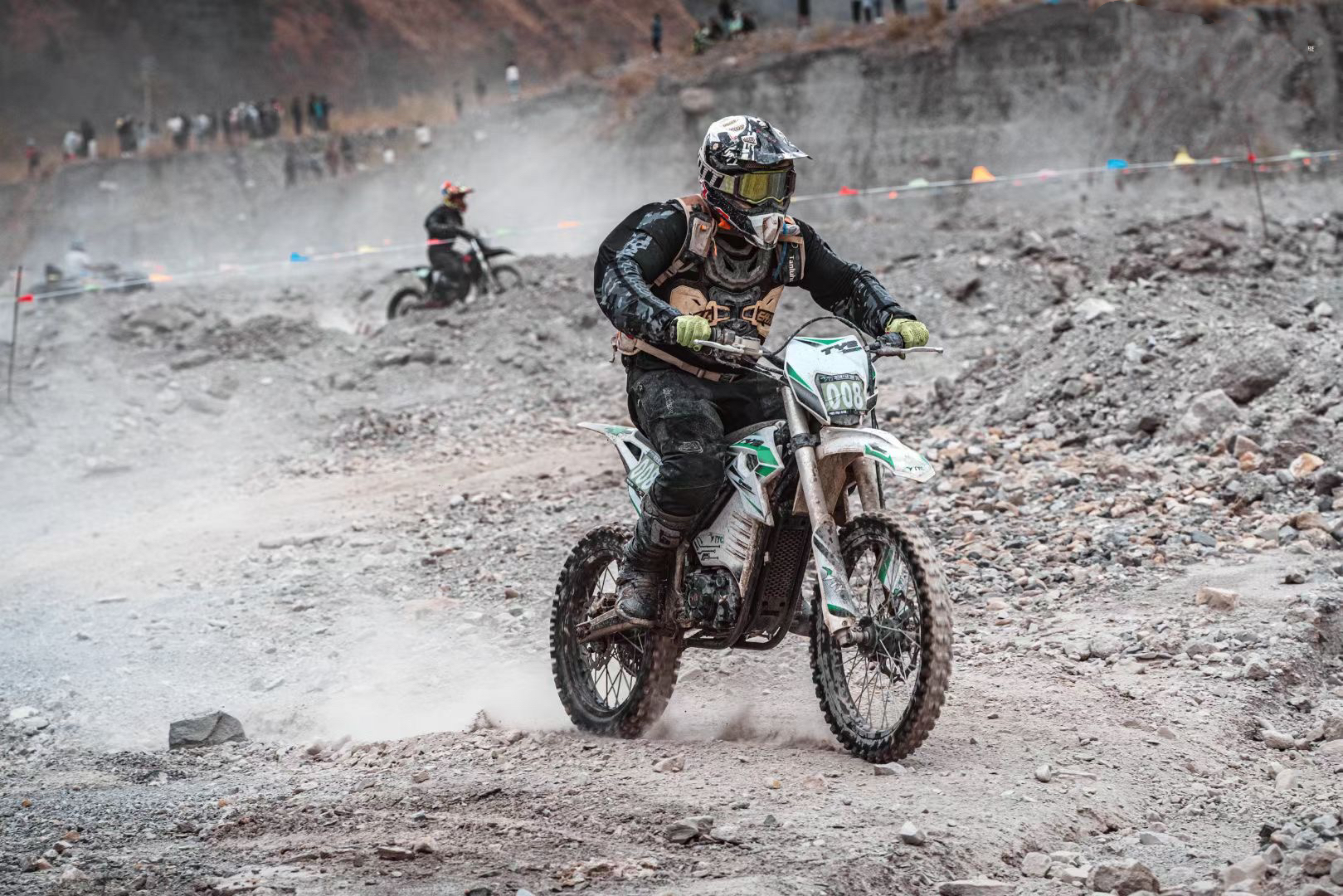
A Clear-Headed Buyer’s Guide
For decades, the snarl of a two-stroke was the unofficial anthem of off-road riding. Today, that soundtrack is being joined—sometimes replaced—by something almost eerie: silence. Electric dirt bikes have arrived in force, and the hype is deafening.
So, is an e-dirt bike a genuine upgrade or just tech-industry marketing? Below, we strip away the buzzwords and lay out the facts so you can decide if going electric fits the way you actually ride.
––––––––––––––––––––––––––––––––
Why Riders Switch: Four Real-World Advantages
- Instant, Linear Torque
Twist the throttle and 100 % of the motor’s torque is available now—no clutch feathering, no waiting for the pipe to sing. Beginners gain confidence; experts shave tenths in technical sections. Wheelspin is predictable and easy to modulate, which means faster exits and fewer heart-in-mouth moments on steep climbs. - Maintenance That Takes Minutes, Not Hours
No oil changes, no air filters, no jetting for altitude. Aside from normal wear items—chain, sprockets, brake pads—you’ll spend more time riding than wrenching. Over a season, the savings in fluids, gaskets, and shop labor add up quickly. - Near-Silent Operation
• Access: Many private tracks and public trails are closing their gates to noise. An electric bike slips in unnoticed.
• Connection: You’ll hear tires clawing for traction and suspension working rather than engine noise.
• Goodwill: Neighbors who once called the sheriff now wave from the porch. - Lower, Centralized Mass
Batteries sit low in the frame, dropping the center of gravity. The bike feels lighter when flicking through tight trees or landing off-camber jumps, even if the scale says the weight is similar to a gas model.
––––––––––––––––––––––––––––––––
The Trade-Offs: Three Questions to Ask Yourself
- Range & Charging
• Expect 30–60 minutes of hard trail riding or 1–2 hours of mixed use, depending on the model and terrain.
• Recharging from a standard wall outlet takes 2–6 hours. Fast chargers exist but cost extra.
• Planning is non-negotiable: you need to know your loop length and have access to power. Spare batteries help, but they’re expensive. - Upfront Price vs. Lifetime Cost
Purchase prices are higher than comparable gas bikes—think “premium mountain bike” territory. Offset that with almost zero fuel and minimal maintenance. If you ride a lot, the break-even point can arrive within two seasons. - Sensory Experience
No exhaust note, no two-stroke perfume, no gearbox to bang through. Some riders miss the visceral feedback; others love the unfiltered feel of traction and terrain. This is personal—there’s no right answer.
––––––––––––––––––––––––––––––––
Who Should Go Electric?
- Beginners: No clutch or gears means fewer stalls and faster skill development.
- Backyard or Private-Track Riders: Noise restrictions disappear.
- Trail Riders on Tight, Technical Terrain: Instant torque and precise throttle let you crawl over rocks or burst up switchbacks.
- Tech Enthusiasts: If you already ride the latest e-MTB or drive an EV, the transition is seamless.
Who Should Stay on Gas (for Now)?
- Backcountry Explorers: Multi-day loops far from a plug favor the jerry-can.
- Budget-Conscious Buyers: A used 250 cc can be a quarter the price of a new e-dirt bike.
- Purists: If the smell of premix is part of the ritual, no battery can replicate it.
- Endurance Racers: Quick splash-and-go fuel stops still beat swapping batteries.
––––––––––––––––––––––––––––––––
Bottom Line
Electric dirt bikes are not a universal replacement for gas, but for many riders they are the better tool. Try the electric dirt bike if you can. The first silent, arm-stretching crack of torque off a corner often answers the question before you finish the lap.
