
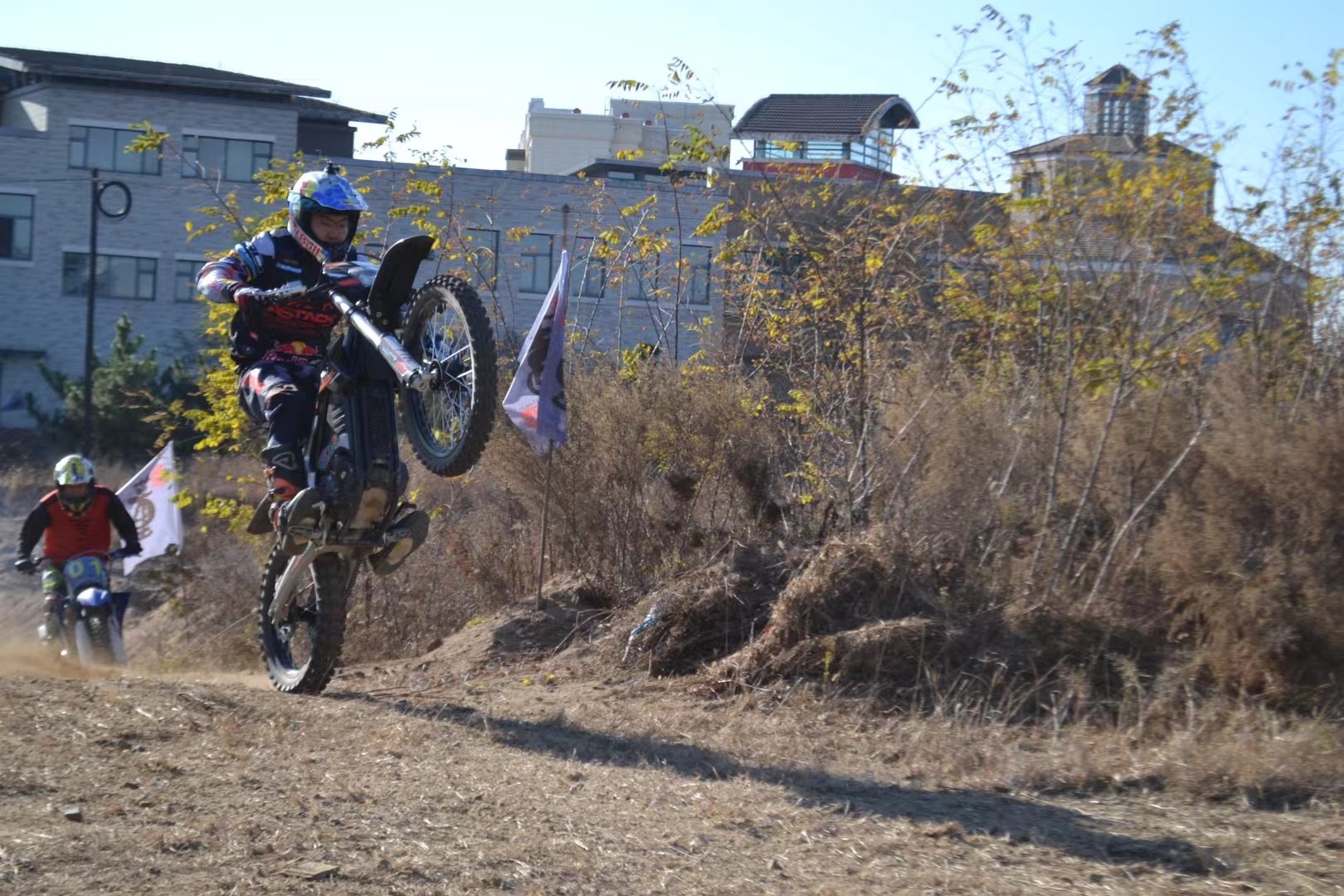
So you’ve watched the YouTube edits, felt the FOMO, and now you’re ready to trade the couch for some dirt-roosting, grin-inducing adventure. Welcome to the world of adult electric dirt bikes—a place where instant torque meets whisper-quiet trails and zero fuel stops. This guide will walk you through everything you need to know as a total beginner, without the jargon overload.
1. What Exactly Is an Adult Electric Dirt Bike?
Think of it as a mountain bike that hit the gym, drank an energy drink, and went electric. Instead of a gas engine, you get:
- Electric motor (measured in kW)
- Lithium-ion battery pack (measured in volts & amp-hours)
- Automatic speed drivetrain
- Lightweight frame (often aluminum or steel-aluminum hybrid)
Example: the TYE3000 packs a 12 kW peak motor, 72 V 60 Ah CATL battery, and tips the scales at only 118 kg (260 lb) with the battery installed.
2. Why Go Electric? 5 Beginner-Friendly Benefits
| Benefit | What It Means to You |
|---|---|
| Instant torque | Twist the throttle and you’re gone—no stalling, no kick-start. Perfect for first-time riders. |
| Quiet ride | Sneak past wildlife, keep neighbors happy, and actually hear nature. |
| Low maintenance | No oil changes, no air filters, no spark plugs. Charge, wipe down, repeat. |
| Cost per mile | Roughly 1–2 cents of electricity per kilometer versus 10–15 cents for gas bikes. |
| Eco bragging rights | Zero tail-pipe emissions; ride in areas where gas bikes are banned. |
3. Anatomy Lesson: The Parts You’ll Touch Every Ride
- Battery Pack – The “fuel tank.” Removable packs (like on the TYE3000 electric dirt bike) swap in 60 seconds for all-day sessions.
- Motor – The muscle. Beginner-friendly bikes run 3–8 kW; high-performance beasts like the TYE3000 peak at 12 kW.
- Controller – The brain. Regulates power so you don’t loop out when you whiskey-throttle.
- Suspension – Front forks + rear shock. Look for adjustable units so you can soften things while learning.
- Brakes – Hydraulic discs front and rear. Regenerative braking on e-bikes adds range and saves pads.
4. Choosing Your First Bike: 3 Simple Rules
| Rule | Beginner Sweet Spot | TYE3000 Reality Check |
|---|---|---|
| Power | 3–8 kW is forgiving and fun. | 12 kW peak—usable in “Eco” mode till you level up. |
| Weight | ≤120 kg so you can pick it up after a tip-over. | 118 kg—check. |
| Range | 40–70 km keeps you exploring, not hunting for outlets. | Up to 150 km if you’re gentle. |
Pro tip: Start in a lower power map if your bike has ride modes. The TYE3000’s app lets you dial everything from throttle response to regen strength.
5. Essential Gear: Spend Money Here First
- DOT/SNELL helmet – Full-face, goggles-compatible.
- Goggles – Anti-fog lenses; clear for woods, tinted for open desert.
- Body armor – Chest/back protector; elbows & knees next.
- Gloves – Abrasion-resistant palms and knuckle guards.
- Dirt bike boots – Ankle support is non-negotiable.
- Hydration pack – Riding is a workout; dehydration is real.
6. Your First 30 Minutes on the Electric Dirt Bike
- Power-on ritual – Key ON → Mode “Eco” → Check battery % on the dash or app.
- Find a flat field – Practice start-stop, slow-speed balance, and emergency braking.
- Body position cheat sheet
- Standing: knees bent, elbows up, head over bars.
- Seated: shift weight back when climbing, forward when descending.
- Throttle control – Electric = instant. Roll on smoothly, roll off before braking.
- Braking drill – Front brake = 70 % stopping power; rear brake = directional control.
7. Charging & Range Hacks
- Standard wall outlet: 3–4 h for a full 72 V 60 Ah pack.
- Fast charger: Optional 1.5 h top-up for lunch-break laps.
- Range stretchers: Lower tire pressure (within spec), ride in “Eco,” and use regen braking on descents.
- Pack a spare: Removable battery models let you carry an extra 60 Ah pack in a backpack or pannier.
8. Maintenance in 5 Minutes a Week
| Task | How Often | Tool Needed |
|---|---|---|
| Check tire pressure | Every ride | Digital gauge |
| Inspect chain tension & lube | Weekly | 19 mm spanner + chain lube |
| Wipe down air-cooled motor fins | Weekly | Soft brush |
| Check brake pads | Monthly | Flashlight |
| Firmware update | As prompted | Phone app |
No oil, no filter, no problem.
9. Where Can You Legally Ride Your Electric Dirt Bike?
- Private property – Easiest start; ask a friend with land.
- OHV parks – Most allow e-bikes; check for sound limits (electric = automatic win).
- Forest service roads – Zero-emission often bypass seasonal closures.
- Motocross tracks – Many offer “quiet days” or e-bike-specific sessions.
Always call ahead or check park websites; regulations change faster than a flat tire.
10. Common Beginner Mistakes (and Quick Fixes)
| Mistake | Quick Fix |
|---|---|
| Over-tight grip on bars | Relax hands; death-grip equals arm pump. |
| Looking at the front wheel | Look 10–15 m ahead; the bike follows your eyes. |
| Ignoring sagging suspension | Set sag for your weight; manuals & YouTube walk you through it. |
| Running out of juice mid-trail | Use the app’s low-battery alert; plan loops that end near the truck. |
11. Next Steps: From Zero to Trail Hero
- Book an intro class – Local off-road schools offer half-day “electric only” courses.
- Ride with buddies – Two electric bikes = twice the range anxiety, half the stuck-in-mud time.
- Log your rides – Apps like Relive or OnX map your tracks and battery usage.
- Upgrade gradually – Better tires first (grip = confidence), suspension re-valve later.
Ready to Pick Your First E-Dirt Bike?
If you want one machine that grows with you—beginner-friendly in Eco, beast-mode when you’re ready—the TYE3000 electric dirt bike checks every box: adjustable power maps, 150 km range, 60-second battery swaps, and a chassis that’s been beaten on for over a million test miles.
Strap on your helmet, twist the throttle, and let the silence—and the adrenaline—do the talking. The trails are waiting.
