
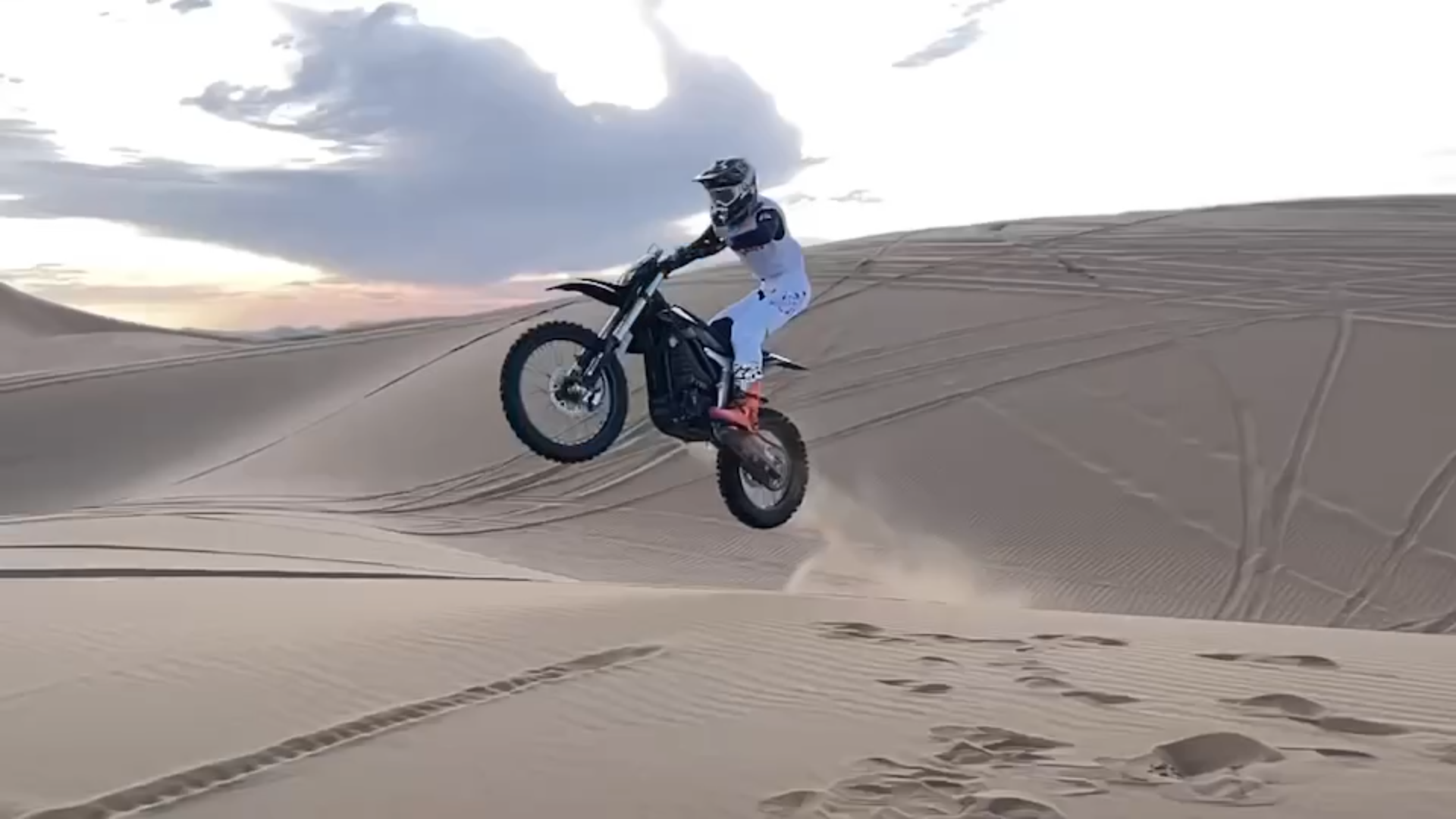
The Silent Revolution Kicking Up Dust
Picture this: You’re cresting a ridge at dawn, the golden light spilling across untouched trails, and the only sound accompanying your heartbeat is the soft hum of electric power and the crunch of tires gripping earth. No deafening engine roar scaring wildlife. No plume of exhaust smoke staining the pristine air. Just pure, unadulterated connection between rider, machine, and nature.
Welcome to the era of the off-road electric motorcycle—a revolution that’s not just changing how we ride, but redefining what it means to explore the great outdoors. As green new energy sweeps across the globe and electric motorcycles find their way into millions of households, a particularly exciting chapter is being written in the dirt, mud, and mountains. The off-road electric motorcycle isn’t merely an alternative to its gasoline-powered ancestors; it’s a quantum leap into a future where adventure and environmental stewardship ride hand in hand.
Whether you’re a curious newcomer standing at the threshold of your first trail or a seasoned rider considering the electric switch, this guide is your gateway to understanding, appreciating, and ultimately falling in love with the electrified side of off-road riding. Buckle up—this journey is going to be exhilarating.
What Exactly Is an Off-Road Electric Motorcycle?
At its core, an off-road electric motorcycle is a purpose-built machine designed to tackle unpaved terrain—think dirt trails, rocky paths, forest single-track, desert dunes, and muddy bogs—powered entirely by electricity stored in high-capacity batteries rather than fossil fuels. But reducing it to that simple definition is like calling a mountain lion “just a big cat.” These machines represent a fundamental reimagining of motorcycling.
Unlike their street-focused electric cousins, off-road electric motorcycles are engineered for punishment. They feature robust suspension systems with long travel distances to absorb massive impacts, knobby tires that bite into loose surfaces, lightweight frames often crafted from aluminum or carbon fiber, and protective elements that shield vital components from water, dust, and debris. The electric powertrain—comprising a battery pack, electric motor, and sophisticated controller—delivers instant torque directly to the rear wheel with zero emissions and minimal noise.
What sets them apart isn’t just what’s missing (the exhaust pipe, the oil changes, the kickstart lever), but what’s present: a riding experience that’s intuitive, accessible, and surprisingly powerful. The learning curve flattens dramatically when you remove the complexity of clutch control, gear shifting, and engine stalling. Yet make no mistake—these bikes can absolutely shred when called upon.
Why Go Electric? The Advantages That Matter
Instant Torque, Instant Grin
The moment you twist the throttle on an electric dirt bike, you understand why riders are converting by the thousands. Electric motors deliver 100% of their torque from zero RPM. There’s no waiting for the engine to spool up, no hunting for the power band, no clutch slipping required. When you need power to climb a steep rock face or power out of a berm, it’s there immediately, predictably, and controllably. This linear power delivery makes technical terrain more manageable for beginners while offering experienced riders surgical precision in throttle control.
The Sound of Silence (Mostly)
Traditional dirt bikes can register 100+ decibels—loud enough to cause hearing damage and certainly loud enough to get you banned from trails. Electric models typically operate at 65-75 decibels, roughly equivalent to a normal conversation. This stealth mode opens doors to riding areas previously closed to motorized vehicles, reduces noise complaints from neighbors, and allows you to ride early mornings or late evenings without disturbing the peace. More importantly, it transforms the riding experience from an auditory assault into a sensory immersion—you’ll hear birds, flowing water, and your tires working the terrain in ways never possible before.
Mother Nature Says Thank You
Zero tailpipe emissions mean you’re not leaving a carbon footprint on the trails you love. No spilled gasoline during refueling, no oil leaks marking the ground, no two-stroke smoke hanging in the forest air. As our global energy grid becomes increasingly renewable, the environmental advantage of electric off-roaders only grows stronger. You’re literally riding the future of clean transportation while enjoying the wilderness you’re helping to preserve.
Maintenance Liberation
Say goodbye to oil changes, air filter cleanings, spark plug replacements, carburetor adjustments, valve adjustments, and kickstarting frustrations. The maintenance schedule on an electric dirt bike reads like a vacation itinerary: check the chain tension, inspect brake pads, monitor tire wear, and keep the battery charged. With only one moving part in the motor compared to hundreds in an internal combustion engine, mechanical failures become rare, downtime diminishes, and your garage stays clean. This simplicity translates to more time riding and less time wrenching—though for those who love mechanical tinkering, there’s still plenty of suspension and chassis work to satisfy that itch.
Accessibility for All
Electric motorcycles democratize off-roading. The absence of a clutch and gearbox removes one of the biggest barriers for new riders. No more stalling on hills, no more coordination nightmares while learning to ride. Kids as young as four can master electric balance bikes that graduate them to full-sized machines seamlessly. Adults who thought motorcycling was too complicated discover they can focus on balance, body position, and line selection rather than managing engine mechanics. The sport is growing because electric bikes make it welcoming.
Anatomy of an Electric Trailblazer
To truly appreciate these machines, let’s dissect what makes them tick:
The Battery: Your Energy Reservoir
Modern off-road electric motorcycles utilize lithium-ion battery packs, typically ranging from 2kWh to 8kWh depending on the bike’s intended use. These aren’t your laptop batteries—they’re sophisticated thermal-managed units designed to withstand impacts, vibrations, and temperature extremes. Located low in the chassis (often where the engine would traditionally sit), this placement creates a favorable center of gravity that improves handling.
Range anxiety—the fear of running out of juice mid-ride—is the elephant in the room, but modern solutions address this creatively. Swappable battery systems allow you to carry a spare and swap it in minutes, effectively doubling your range. Fast-charging capabilities can replenish 80% of capacity in 45-60 minutes—perfect for a lunch break during a full day of riding. And realistically, most trail riding sessions last 2-3 hours, which aligns perfectly with the 40-80 miles of range offered by current models. Racing applications might require more strategic power management, but for recreational trail riding, range concerns are largely overblown.
The Motor: Heart of the Beast
Two primary motor types dominate the electric off-road scene: hub motors (integrated into the rear wheel) and mid-drive motors (mounted centrally with chain or belt drive to the rear wheel). Mid-drive configurations are preferred for serious off-roading because they allow for better unsprung weight distribution and enable traditional motorcycle suspension designs. These motors typically output between 5kW to 20kW (roughly 7 to 27 horsepower), but remember—electric horsepower feels different. It’s always available, always consistent, and feels punchier than the numbers suggest.
Chassis and Suspension: The Confidence Builders
Frame geometry on electric dirt bikes often mirrors their gasoline counterparts, utilizing cradle designs that protect the battery while providing flex characteristics that enhance traction. Suspension travel ranges from 8 inches on lightweight trail bikes to over 12 inches on full-sized enduro machines. High-end models feature adjustable compression and rebound damping, allowing riders to tune the bike for everything from smooth flow trails to rocky technical climbs. The weight distribution—with heavy components centralized and low—creates a planted feel that inspires confidence when cornering or navigating obstacles.
Regenerative Braking: Energy Recycling
Many electric off-road motorcycles feature regenerative braking systems that convert kinetic energy back into stored battery power when decelerating. On long downhill sections, this not only extends range but also reduces brake wear and provides engine-braking-like control without mechanical complexity. It’s efficiency meeting functionality in the most elegant way.
Electric vs. Gas: The Showdown
Let’s address the combustion engine in the room. How do these electric newcomers actually compare to traditional dirt bikes?
Weight: Early electric motorcycles suffered from obesity due to battery density limitations. Today’s models have closed the gap significantly. A full-sized electric enduro bike might weigh 240-280 pounds compared to 220-250 pounds for a 450cc four-stroke. The difference is negligible on the trail and actually beneficial in some scenarios—the low center of gravity makes the bike feel lighter than the scale suggests when maneuvering at low speeds.
Power Characteristics: While a 450cc gas engine might produce 55+ horsepower compared to an electric bike’s 25-40 peak horsepower, the electric bike delivers usable torque across the entire RPM range. In technical terrain, riders often report that the electric bike feels faster because power is immediately accessible. On wide-open desert sections or motocross tracks, gas bikes still hold top-speed advantages, but for tight, technical trail riding—the kind most enthusiasts actually do—the electric bike often feels quicker and more capable.
Refueling vs. Recharging: Filling a gas tank takes two minutes; charging a battery takes significantly longer. However, “refueling” an electric bike happens at home while you sleep. For the average rider who trailers to trails, rides for a few hours, and returns home, the daily routine is actually more convenient with electric. No gas cans, no trips to the station, no spilled fuel in your truck bed. For extended backcountry expeditions, gas bikes currently maintain an advantage, though portable solar charging solutions and battery swapping stations are rapidly evolving.
Environmental Impact: This isn’t even close. Electric bikes win decisively. Even accounting for battery manufacturing and electricity generation from fossil fuel grids, the lifecycle emissions of an electric motorcycle are roughly 60-70% lower than a gasoline equivalent. As renewable energy penetration increases, this gap widens further.
Your First Ride: A Beginner’s Blueprint
So you’re ready to join the silent revolution? Here’s how to start your journey safely and successfully:
Gear Up Properly
Off-road riding demands protection. At minimum, invest in: a DOT or ECE certified helmet (full-face with proper ventilation), goggles (dust and debris are constant companions), gloves with palm protection, long sleeves (motocross jerseys or armored jackets), sturdy pants (motocross pants offer flexibility and durability), knee pads or knee braces, and boots with ankle support (traditional hiking boots won’t cut it; you need motocross-specific footwear). Electric bikes might be quieter, but the ground is just as hard when you hit it.
Start Slow, Finish Safe
Find an open, flat area—an empty field, dry lake bed, or dedicated OHV park with beginner areas. Spend your first hour just getting acquainted: practice accelerating smoothly, braking progressively (front and rear brakes work differently), and turning at various speeds. Get used to the instant torque; it’s addictive but demands respect. Practice emergency stops. Learn how the bike behaves when traction breaks loose.
Master the Standing Position
Unlike street riding where you sit most of the time, off-roading requires standing on the pegs for balance and control. Keep your knees slightly bent, elbows up and out, head over the handlebars, and weight balanced between both feet. This “attack position” becomes second nature with practice but feels awkward initially. The low weight of electric bikes makes learning this position easier than on heavy gas machines.
Plan Your Route and Range
Before hitting the trails, know your bike’s range under various conditions (aggressive riding drains batteries faster than cruising). Carry a phone, tell someone your planned route, and if possible, ride with a buddy. Many electric bikes come with smartphone apps that monitor battery levels and range estimates—learn to use these tools religiously.
Take a Course
Consider enrolling in a beginner off-road riding course. Professional instruction accelerates your learning curve dramatically and teaches safety protocols that could save your life. Many courses now offer electric bike-specific sessions that focus on the unique characteristics of these machines.
Choosing Your Electric Steed: Categories Explained
The off-road electric motorcycle market has matured rapidly, offering options for every rider type:
Play Bikes and Mini Bikes (Perfect for Kids and Casual Adults)
Models like the Razor MX650 or Kuberg range offer 10-15mph top speeds, simple construction, and forgiving handling. They’re perfect for backyard fun, teaching children the fundamentals, or casual trail exploring. Don’t underestimate them—many adults find these lightweight machines incredibly fun for technical trials riding.
Trail Bikes (The Sweet Spot)
Bikes like the Zero FX, Cake Kalk, or Sur-Ron Light Bee bridge the gap between bicycles and full motorcycles. They offer 40-60 miles of range, 50-60mph top speeds, and weigh between 150-200 pounds. These are ideal for riders who want serious off-road capability without the intimidation factor of a 450cc race bike. They’re quiet enough for neighborhood trails yet capable enough for weekend adventures.
Enduro and Cross-Country Machines
For the serious enthusiast, models like the Stark Varg, Electric Motion trials bikes, or modified Alta Motors machines (for those who can find them) offer performance rivaling 250cc-450cc gas bikes. With 80+ horsepower equivalent outputs, sophisticated suspension, and race-ready components, these bikes compete in traditional enduro events and handle extreme terrain with aplomb.
Dual-Sport Hybrids
Want to ride to the trails legally? Dual-sport electric motorcycles like the Zero DSR/X or upcoming offerings from major manufacturers feature lights, mirrors, and license plate holders while maintaining serious off-road chops. They’re heavier than pure dirt bikes but offer the versatility of street-legal transportation.
Maintenance: Simpler Than You Think
Owning an off-road electric motorcycle requires a shift in mindset regarding maintenance, but it’s refreshingly straightforward:
Battery Care: Lithium-ion batteries prefer moderate temperatures. Store your bike in a garage rather than exposed to extreme heat or freezing cold. If storing long-term, maintain the battery at roughly 50-60% charge rather than full or empty. Most modern bikes have sophisticated battery management systems that handle the technical details, but these basic practices extend battery life significantly.
Chain and Sprockets: Just like gas bikes, the chain requires regular cleaning, lubrication, and tension adjustment. Check it every few rides.
Brake Maintenance: With regenerative braking reducing wear, brake pads last longer on electric bikes, but inspect them regularly and replace when worn. Brake fluid should be changed annually.
Suspension Service: This is where electric bikes mirror gas bikes exactly. Fork oil and seals need periodic replacement (every 50-100 hours of riding), and shock rebuilds are necessary for optimal performance. Many riders neglect this, but proper suspension maintenance transforms the riding experience.
Software Updates: Yes, your motorcycle might get firmware updates! Modern electric bikes often improve through software—enhancing power delivery, refining traction control algorithms, or adding features. Keep your bike’s software current through the manufacturer’s app or service center.
The Future Is Charged and Ready
As we stand at this technological crossroads, the trajectory is clear. Major manufacturers like KTM, Husqvarna, Honda, and Yamaha are investing billions in electric off-road platforms. Battery energy density improves by roughly 5-8% annually, meaning tomorrow’s bikes will go further, charge faster, and weigh less. Charging infrastructure at trailheads is expanding, with some parks now offering solar-powered charging stations.
Racing series like the FIM E-Xplorer World Cup and various national electric enduro championships are proving these machines can compete at the highest levels while attracting new audiences to motorsports. The accessibility of electric bikes is creating a generation of riders who might never have considered motorcycling otherwise.
Perhaps most excitingly, electric motorcycles are opening conversations about land access. Environmental groups previously opposed to motorized trails are reconsidering when the machines produce no emissions and minimal noise. The future of off-road recreation may well depend on this technology.
Your Adventure Awaits
The off-road electric motorcycle represents more than technological advancement—it embodies a philosophy of adventure that doesn’t compromise the planet we explore. It invites you to rediscover the childlike joy of riding without the mechanical intimidation that has excluded so many from the sport. It challenges the notion that rebellion and environmental responsibility are mutually exclusive.
As you contemplate your first ride, remember that every expert was once a beginner staring at a bike with equal parts excitement and trepidation. The trail ahead isn’t just dirt and rocks; it’s a path to confidence, to community, to moments of flow where machine and nature harmonize in electric symphony.
The revolution is here, it’s whisper-quiet, and it’s kicking up dust on a trail near you. Charge up, gear up, and twist that throttle. The future of off-road riding isn’t coming—it’s already here, waiting for you to join the ride. Welcome to the tribe. Welcome to the electric wild.
Now get out there and leave nothing but tire tracks and take nothing but memories. The mountains are calling, and this time, you can actually hear them.
