
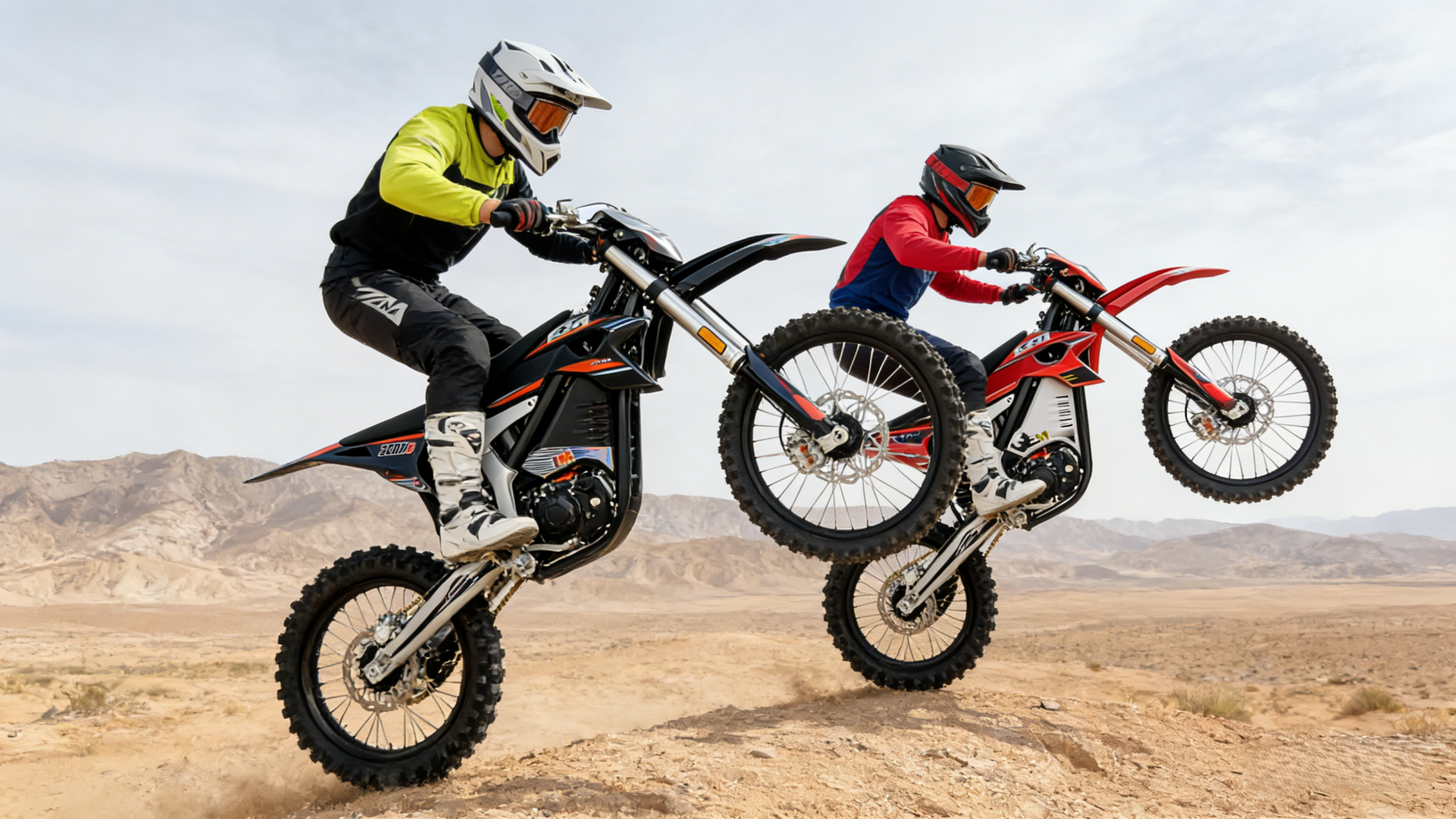
Embracing the Electric Dawn
We are living through an extraordinary moment in transportation history. Across the globe, from the bustling streets of Shanghai to the winding mountain trails of Colorado, a quiet revolution is transforming how we move, explore, and experience freedom. The electric motorcycle—once dismissed as a novelty—has evolved into a sophisticated, powerful machine that rivals and often surpasses its gasoline-powered ancestors.
This is not merely a technological shift; it is a cultural awakening. Electric motorcycles represent our collective desire to harmonize human passion with environmental responsibility. They embody the thrilling possibility that we can pursue adventure without leaving a heavy carbon footprint, that we can chase adrenaline while protecting the landscapes we love to ride through.
The numbers tell a compelling story. Global electric motorcycle sales have surged dramatically, with millions of units now navigating city commutes and rugged off-road terrain alike. Manufacturers from established giants to innovative startups are investing billions in research and development, pushing the boundaries of battery technology, motor efficiency, and intelligent design. What emerged from environmental necessity has blossomed into genuine enthusiasm—riders are discovering that electric motorcycles offer instantaneous torque, whisper-quiet operation, and remarkably low maintenance requirements that free them to focus on what truly matters: the pure joy of riding.
For the off-road enthusiast, electric dirt bikes and trail motorcycles represent perhaps the most exciting frontier. These machines deliver explosive acceleration from zero RPM, allowing riders to conquer technical terrain with unprecedented precision. Without the heat, vibration, and noise of combustion engines, riders experience a more intimate connection with their surroundings—the crunch of tires on loose rock, the rush of wind through forest canopies, the subtle feedback of suspension compressing over roots and ruts.
Yet with this new technology comes new responsibility. The heart of every electric motorcycle—its lithium battery—requires informed care to deliver optimal performance and longevity. Understanding how to properly maintain and store your electric off-road motorcycle and its spare batteries is not just practical knowledge; it is an expression of respect for the engineering marvel you own and the sustainable future it represents.
This comprehensive guide will walk you through everything you need to know to keep your electric adventure machine in peak condition, ensuring that every ride is as exhilarating as your first.
Understanding Your Electric Motorcycle’s Core Systems
Before diving into specific maintenance procedures, it is essential to appreciate what makes your electric off-road motorcycle unique. Unlike traditional motorcycles with their complex networks of mechanical components—engines requiring oil changes, transmissions needing fluid replacements, exhaust systems demanding periodic service—electric motorcycles are elegantly simple in their fundamental architecture.
Your electric motorcycle consists of three primary systems: the battery pack that stores and delivers energy, the electric motor that converts electrical power into mechanical motion, and the controller that intelligently manages the flow of electricity between them. Supporting these core elements are the familiar components shared with conventional motorcycles: frame, suspension, brakes, wheels, and tires.
This simplified architecture is the source of both the electric motorcycle’s reliability and its specific maintenance requirements. With fewer moving parts, there is simply less to wear out, adjust, or replace. However, the sophisticated electronic systems and high-capacity battery packs introduce new considerations that every owner should understand.
The battery, in particular, demands thoughtful attention. Modern electric motorcycles predominantly use lithium-ion battery technology, prized for its exceptional energy density, relatively light weight, and impressive cycle life. These batteries can deliver thousands of charge cycles while maintaining substantial capacity, but their performance and longevity are significantly influenced by how they are used, charged, and stored.
The Science of Battery Care: Maximizing Performance and Longevity
The 20-80 Rule: Your Battery’s Sweet Spot
The single most impactful practice for preserving your electric motorcycle’s battery health is adhering to what industry experts call the “20-80 rule.” This principle recommends maintaining your battery’s charge level between 20% and 80% of its total capacity during regular use .
Why this specific range? The chemistry of lithium-ion batteries involves complex electrochemical reactions that experience accelerated stress at extreme states of charge. When a battery is pushed to 100% capacity, the increased voltage places strain on the internal structure, promoting degradation of the electrode materials. Conversely, allowing the battery to drop below 20% can trigger deep discharge conditions that may cause irreversible chemical changes.
By keeping your battery within this middle range, you minimize these stress factors and can significantly extend its useful life. Many riders find that adopting this practice becomes second nature—topping up after rides rather than pursuing full charges, and planning routes that don’t push the battery to exhaustion.
For daily riders, this might mean charging to 80% each evening and returning home with 20-30% remaining. The modest reduction in maximum range is more than compensated by the extended lifespan of your battery pack, which represents a substantial portion of your motorcycle’s value.
Temperature: The Silent Battery Killer
Temperature extremes are perhaps the most underappreciated threat to battery health. Lithium-ion batteries are essentially chemical systems, and like all chemical reactions, their behavior changes dramatically with temperature .
High temperatures accelerate the rate of unwanted side reactions within the battery, leading to faster capacity fade and potential safety concerns. Parking your electric motorcycle in direct summer sunlight, especially with a fully charged battery, can push internal temperatures into the danger zone. Similarly, riding in extreme heat while demanding maximum power output generates additional thermal stress.
Cold temperatures present different challenges. While not as immediately damaging as heat, freezing conditions can dramatically reduce available power and, if severe enough, cause lithium plating that permanently damages the battery. The electrolyte becomes more viscous, ion movement slows, and your motorcycle may display reduced performance or refuse to operate until warming.
The optimal storage temperature for lithium batteries is approximately room temperature—between 15°C and 25°C (59°F to 77°F). When storing your motorcycle or spare batteries for extended periods, seek climate-controlled environments. If this isn’t possible, at minimum avoid locations that experience freezing winters or sweltering summer heat .
A crucial practice often overlooked: never charge a hot battery immediately after riding. The combination of residual heat from operation with the additional heat generated during charging creates a compound thermal load. Allow your motorcycle to cool for at least 30 minutes after intensive riding before connecting the charger. This simple patience can add months or years to your battery’s service life .
Charging Best Practices
How you charge your electric motorcycle is as important as when and how much. The charging process itself, while seemingly simple, involves sophisticated management of electrical flow that can either nurture or stress your battery.
Avoid habitual fast charging. While DC fast charging stations offer tempting convenience, particularly for longer journeys, the high current rates generate significant heat and mechanical stress within battery cells. Reserve fast charging for genuine necessity, and favor slower Level 2 charging for your routine needs . Think of it as the difference between a leisurely meal and rushed fast food—both satisfy hunger, but one is clearly better for long-term health.
Use manufacturer-approved equipment. Your motorcycle’s charging system is carefully engineered to work with specific voltage and current profiles. Third-party chargers may promise faster charging or lower costs, but they often lack the sophisticated battery management communication that protects against overcharging, improper current delivery, or thermal runaway. The investment in genuine equipment is insurance against catastrophic failure.
Monitor charging environment. Just as battery temperature matters during operation and storage, it matters during charging. Charge in well-ventilated areas away from direct sunlight. Never cover your motorcycle or charger during the charging process, as this can trap heat and create fire hazards .
Unplug when complete. Modern chargers and battery management systems are designed to prevent overcharging, but maintaining unnecessary connection creates persistent electrical pathways and potential for minor parasitic losses. Develop the habit of disconnecting once charging reaches your target level.
Comprehensive Maintenance Protocol for Your Electric Off-Road Motorcycle
Pre-Ride Inspection: The Foundation of Reliability
Every adventure should begin with a moment of mindful preparation. The pre-ride inspection is not bureaucratic routine—it is your opportunity to connect with your machine, to notice subtle changes before they become significant problems, and to ensure that your ride will be safe and uninterrupted.
Battery status verification. Confirm your charge level matches your intended route. Electric motorcycles typically provide accurate range estimates based on current charge and riding mode—trust these displays and plan conservatively.
Tire pressure and condition. Off-road riding demands precise tire pressure management. Lower pressures improve traction in soft terrain like sand, mud, or loose rock, while higher pressures reduce rolling resistance and improve efficiency on hard-packed surfaces . Inspect tread depth, look for embedded debris that could cause punctures, and check for sidewall damage that might indicate impending failure.
Brake system check. Electric motorcycles deliver instant torque, making powerful, responsive brakes absolutely critical . Squeeze both brake levers to confirm firm resistance and proper feel. Check brake pad thickness—most manufacturers recommend replacement when friction material wears below 2-3mm . For hydraulic systems, verify fluid reservoir levels and inspect for any signs of leakage.
Suspension and steering. Off-road motorcycles endure tremendous forces. Grasp the handlebars and apply pressure to test for any play in steering head bearings. Visually inspect fork seals for oil weeping that would indicate seal failure. Confirm that suspension adjustments are appropriate for your weight and intended terrain.
Control verification. Test throttle response, ensuring smooth, predictable power delivery. Check all lighting—headlight, taillight, brake light, and turn signals—for proper function. Verify that display screens show accurate information without error codes.
Fastener inspection. The vibrations of off-road riding can loosen critical fasteners over time. Develop a systematic approach to checking handlebar clamps, axle nuts, brake caliper mounts, and suspension linkage bolts . A torque wrench, used according to manufacturer specifications, transforms this from guesswork into precision.
Post-Ride Care: Preserving Your Investment
The moments immediately following a ride are equally important for long-term preservation. Adrenaline may still pulse through your veins, but disciplined post-ride procedures will reward you with years of reliable performance.
Cleaning protocol. Mud, dust, and debris are more than cosmetic concerns—they retain moisture that promotes corrosion and can interfere with electrical connections. Use a gentle stream of water rather than high-pressure washing, which can force water past seals into sensitive components. Mild soap and soft brushes clean effectively without damaging finishes .
Pay particular attention to the motor casing, controller housing, and battery compartment. These areas must remain free of debris buildup that could impede heat dissipation. Compressed air is invaluable for removing dust from controller vents and charger ports .
Drivetrain maintenance. Whether your motorcycle uses a chain or belt drive, post-ride attention prevents accelerated wear.
For chain-driven systems—common on many electric dirt bikes—clean and lubricate the chain every 300-600 miles, or more frequently in wet or dusty conditions . Use a quality chain cleaner to dissolve accumulated grime, then apply appropriate lubricant while rotating the rear wheel to ensure even distribution. Check chain tension against manufacturer specifications; improper tension accelerates wear on both chain and sprockets.
Belt drives offer remarkable simplicity, requiring only occasional inspection for proper tension and alignment. Look for cracking, fraying, or unusual wear patterns that might indicate misalignment .
Battery management. If your ride has significantly depleted the battery, resist the urge to immediately connect the charger. Allow the battery to cool to ambient temperature first. Then, unless you need maximum range for imminent riding, charge only to 80% to minimize stress .
Damage assessment. Off-road riding inevitably involves impacts, tip-overs, and close encounters with immovable objects. Inspect frame tubes for dents or cracks, particularly at weld points. Check suspension components for oil leakage or physical damage. Examine wheels for true—spin them and watch for wobbles that indicate bent rims or loose spokes .
Periodic Deep Maintenance
Beyond daily and post-ride care, schedule comprehensive maintenance sessions at regular intervals—typically every 500-1,000 miles or monthly for frequent riders .
Electrical system deep inspection. Remove body panels to access wiring harnesses. Examine all connections for corrosion, looseness, or heat damage. Clean contact points with electrical contact cleaner and protect susceptible components with anti-oxidizing spray . Follow wiring routes looking for chafing against frame edges or suspension components that could eventually cause shorts.
Brake system service. Beyond pad inspection, examine brake rotors for grooves, scoring, blue discoloration indicating overheating, or warping that causes pulsing through the lever . Hydraulic fluid gradually absorbs atmospheric moisture, degrading performance—plan to flush and replace brake fluid every 2-3 years regardless of apparent condition .
Suspension maintenance. Fork oil degrades with heat and contamination, diminishing damping performance. Follow manufacturer recommendations for service intervals, typically involving oil replacement and seal inspection. Rear shock absorbers similarly benefit from periodic rebuilds.
Software updates. Modern electric motorcycles increasingly incorporate sophisticated digital systems. Manufacturers release firmware updates that can improve efficiency, add features, or refine power delivery characteristics. Stay connected with your manufacturer or dealer to ensure your motorcycle benefits from these evolutionary improvements .
The Art of Long-Term Storage
Whether storing your electric off-road motorcycle through winter months, during an extended travel period, or simply between riding seasons, proper preparation prevents degradation and ensures immediate readiness when you return.
Battery Preparation: The Critical First Step
Battery care during storage is paramount. The ideal storage charge level for lithium batteries is approximately 50-60% . This middle state minimizes the chemical stresses that occur at full charge or deep discharge while providing sufficient energy to maintain battery management system operation.
If storing for more than a few weeks, check battery charge monthly and top up if it falls below 20%. Some advanced battery management systems include maintenance modes that automatically manage this process, but manual verification provides valuable peace of mind .
Temperature control during storage cannot be overstated. The storage location should maintain stable, moderate temperatures—avoid unheated garages in freezing climates or attics that experience summer heat extremes. Ideal conditions are dry and between 10°C and 25°C .
For extended storage exceeding several months, consider removing the battery from the motorcycle entirely and storing it separately in optimal conditions. This also provides opportunity to clean battery contacts and inspect the battery compartment for any corrosion or moisture accumulation.
Motorcycle Preparation
Beyond battery considerations, comprehensive motorcycle preparation ensures all systems remain ready.
Thorough cleaning. Remove all dirt, mud, and debris that could retain moisture or promote corrosion. Pay special attention to chain or belt drive systems, brake components, and electrical connectors. Dry completely—moisture is the enemy of stored machinery.
Lubrication. Apply protective lubricant to chains, cables, and any exposed metal surfaces. This creates barriers against atmospheric moisture and prevents corrosion during idle periods.
Tire care. Inflate tires to recommended pressure—slightly overinflating can compensate for slow leakage over months of storage. If possible, elevate the motorcycle to remove weight from tires, or periodically rotate wheel position to prevent flat spotting.
Protection from elements. Even in enclosed storage, dust accumulates and atmospheric moisture fluctuates. A quality breathable cover protects against dust while allowing moisture to escape—non-breathable covers can trap condensation that promotes rust . Consider desiccant packs or a dehumidifier in the storage space for additional moisture control.
Component isolation. Cover the charging port and any exposed electrical connectors to prevent dust or moisture ingress . If your motorcycle has a removable display or control unit, store it separately to prevent theft and potential damage from temperature extremes.
Documentation. Record your storage preparation steps, battery charge level, and storage date. This documentation proves invaluable when retrieving your motorcycle, ensuring no preparation steps are overlooked.
Managing Spare Lithium Batteries
Many dedicated electric motorcycle enthusiasts invest in spare battery packs, extending range for ambitious adventures or ensuring continuous riding while primary batteries charge. These valuable investments deserve equally thoughtful care.
Storage Principles for Spare Batteries
The fundamental principles mirror those for installed batteries, with additional considerations for their unmounted state.
Charge level for storage. Maintain spare batteries at approximately 50% charge for long-term storage. This represents the electrochemical “resting state” that minimizes degradation .
Periodic verification. Unlike installed batteries that may benefit from motorcycle-based battery management systems, spare batteries require manual attention. Schedule monthly charge level checks, topping up to maintain the 50% target if significant self-discharge has occurred.
Physical protection. Store spare batteries in their original protective cases or padded containers that prevent physical damage. Never stack heavy objects on stored batteries or expose them to potential crushing forces.
Isolation and safety. Store spare batteries away from metal objects that could cause short circuits if protective covers are compromised. Maintain separation from flammable materials. While modern lithium batteries incorporate extensive safety systems, respectful storage practices provide additional protection layers.
Temperature consistency. Spare batteries are particularly vulnerable to temperature extremes when not installed in the motorcycle’s protective thermal environment. Climate-controlled storage is even more critical for spare batteries than for installed units.
Rotation and Usage Strategies
Develop systematic approaches to spare battery management that maximize both convenience and longevity.
Rotation system. Rather than designating one battery as “primary” and another as “backup,” rotate usage to equalize cycle counts and aging. This prevents one battery from experiencing disproportionate wear.
Usage tracking. Maintain simple records of charge cycles and approximate usage hours for each battery. This data helps predict replacement needs and identifies any battery that may be experiencing premature degradation.
Transportation considerations. When carrying spare batteries to remote riding locations, protect them from physical shock and temperature extremes. Insulated bags help moderate temperature fluctuations during transport.
Recognizing Warning Signs: When to Seek Professional Help
Despite diligent maintenance, components eventually require professional attention. Recognizing early warning signs prevents minor issues from becoming major failures.
Battery Degradation Indicators
Reduced range. The most obvious sign of battery aging is diminished distance capability on a full charge. While some capacity loss is normal over years of service, sudden or severe reduction warrants investigation .
Physical changes. Any swelling of the battery pack, unusual odors during charging, or sounds emanating from the battery compartment indicate potentially dangerous conditions requiring immediate professional assessment .
Error messages. Modern electric motorcycles incorporate sophisticated diagnostic systems. Never ignore dashboard warnings related to battery systems—these represent the motorcycle’s attempt to communicate specific concerns that require attention.
Charging anomalies. Batteries that refuse to accept full charges, charge unusually quickly, or become excessively warm during charging may have internal imbalances or failing cells.
Mechanical and Electrical Concerns
Unusual noises. Electric motors should operate with minimal sound. Any grinding, clicking, or whining from the motor area indicates potential bearing failure or internal damage requiring immediate service .
Performance changes. Sudden loss of power, erratic throttle response, or unexpected cutting out suggests controller or electrical system issues.
Brake degradation. Spongy lever feel, reduced stopping power, or persistent noises despite proper pad thickness indicate need for hydraulic service or component replacement.
Suspension issues. Oil leakage, bottoming on normal terrain, or loss of damping control require professional suspension service.
The Joy of Responsible Ownership
Embracing electric motorcycle ownership is about more than transportation—it is participation in a transformative movement toward sustainable mobility. The care you provide your machine honors both the engineering artistry invested in its creation and the environmental values that motivated your choice.
The maintenance practices outlined in this guide are not burdensome obligations but opportunities for connection. Each inspection deepens your understanding of your motorcycle’s character. Every cleaning session restores not just mechanical function but aesthetic pride. The discipline of proper charging becomes a meditation on energy, a moment of mindfulness in our hurried world.
The electric motorcycle community is vibrant and growing, united by shared passion and collective learning. Engage with fellow owners, share experiences, and contribute to the evolving body of knowledge that advances this technology. Your insights today may help another rider tomorrow.
As battery technology continues its remarkable evolution, as charging infrastructure proliferates across landscapes, as electric motorcycles achieve ever-greater performance and accessibility, we stand at the beginning of something profound. The machines we care for today are pioneers of a cleaner, quieter, more exhilarating future of mobility.
Ride with passion. Maintain with precision. Store with foresight. And embrace the revolution—one charge, one trail, one adventure at a time.
Quick Reference: Essential Maintenance Checklist
| Task | Frequency | Key Points |
|---|---|---|
| Battery charge check | Before every ride | Ensure sufficient range for intended route |
| Tire pressure inspection | Before every ride | Adjust for terrain; check for damage |
| Brake function test | Before every ride | Confirm firm lever feel and responsive stopping |
| Fastener inspection | Every few rides | Check critical bolts with torque wrench |
| Chain/belt inspection | Post-ride or weekly | Clean, lubricate, adjust tension as needed |
| Battery charging | As needed | Avoid deep discharge; prefer 20-80% range |
| Deep cleaning | Weekly or after muddy rides | Gentle washing; protect electrical components |
| Electrical system inspection | Monthly | Check connections, wiring, error codes |
| Brake pad thickness | Monthly | Replace below 2-3mm |
| Tire tread and condition | Monthly | Replace when worn or damaged |
| Suspension check | Monthly | Inspect seals, test damping performance |
| Battery health monitoring | Ongoing | Track range, charging behavior, temperature |
| Long-term storage prep | Seasonally | 50-60% charge, climate control, protection |
| Spare battery maintenance | Monthly | Verify charge, check condition, rotate usage |
The future of motorcycling is electric, sustainable, and brilliantly exciting. By mastering the care of your electric off-road motorcycle and its batteries, you ensure that this future arrives not just as promise, but as daily, thrilling reality.
