Seizing the Silent Revolution
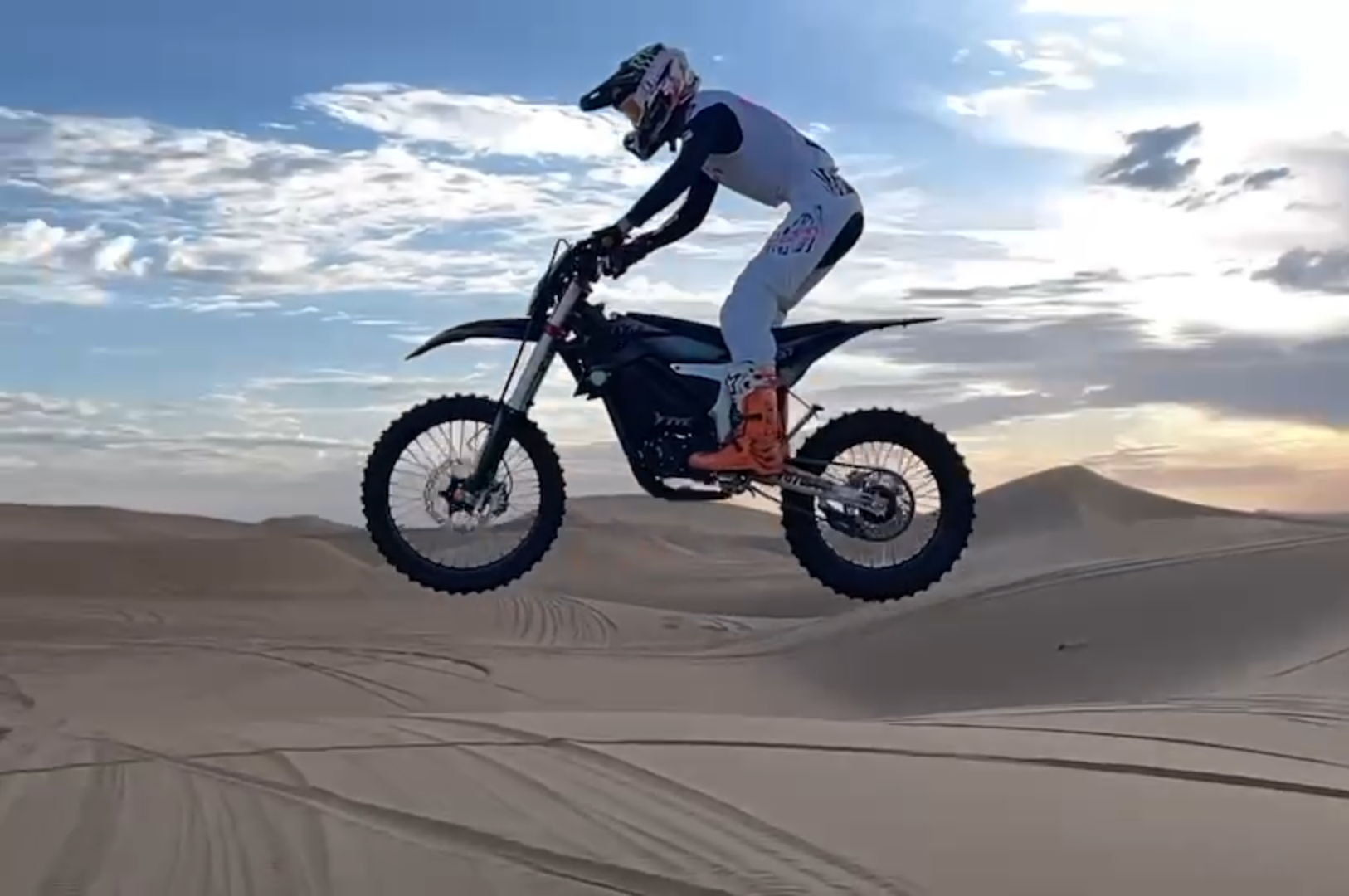
The roar of a gasoline engine has been the soundtrack to motocross for over a century. But a new, potent sound is emerging—the determined, silent whir of an electric motor. This isn’t just a niche trend; it’s a fundamental shift in the powersports landscape. Electric Motocross is here, and it’s growing at an unprecedented rate. For entrepreneurs and established dealers, this represents one of the most significant opportunities in a generation.
The transition to electric is more than a change in propulsion; it’s a change in culture, technology, and customer expectations. Becoming a successful dealer in this new arena requires a deep understanding of both the global market forces at play and the nuanced strategies needed to win locally. This guide will first explore the burgeoning Electric Motocross scene in key international markets—Germany, the USA, France, the UK, Russia, and China—and then provide a comprehensive roadmap for building a thriving dealership.
Part 1: The Global Landscape of Adult Electric Motocross
The adoption of adult Electric Motocross bikes varies dramatically across the globe, influenced by regulation, culture, infrastructure, and economic factors.
Germany: The Engine of European Engineering and Regulation
Germany, with its strong automotive heritage and strict environmental policies, is a leading market for Electric Motocross. The “Energiewende” (energy transition) mindset has trickled down to the powersports sector.
- Market Dynamics: German riders are tech-savvy and value high-performance engineering. Brands that can demonstrate superior build quality, innovation, and software integration thrive. The dense population also means noise restrictions are a significant driver, making silent Electric Motocross bikes ideal for practice areas near residential zones.
- Key Players: Premium European brands like Stark Varg (which has seen massive pre-order interest) and German engineering firms are highly respected. Traditional brands like KTM are also watched closely as they expand their electric offerings.
- Opportunity for Dealers: Success hinges on aligning with high-quality, certified brands and emphasizing the technical superiority and environmental compliance of the products. Offering sophisticated service tools and training is paramount.
United States: The Birthplace of Mass-Market Innovation
The US market is vast, diverse, and the epicenter of Electric Motocross innovation and marketing. It’s a land of early adopters and a strong motocross tradition.
- Market Dynamics: The wide-open spaces and numerous motocross tracks provide the perfect testing ground. American consumers are driven by performance metrics—instant torque, low maintenance, and the ability to ride on private land without noise complaints. The “cool factor” and endorsement by professional riders are powerful marketing tools.
- Key Players: Zero Motorcycles (with its MX model) was an early pioneer, but the market has been electrified by the arrival of the Stark Varg. California, with its progressive environmental laws, is a particularly hot market.
- Opportunity for Dealers: The market is competitive but incredibly rich. Dealers must be experts in the product, create exceptional customer experiences, and build a community around the brand. Tapping into local racing scenes and offering demo days are critical strategies.
France: A Nation Embracing Green Mobility
France has aggressively promoted electric mobility through subsidies and urban planning, creating a fertile ground for Electric Motocross.
- Market Dynamics: Government incentives for electric vehicles sometimes trickle down to motorcycles, making purchases more attractive. The French have a strong off-road riding culture, and the reduced environmental impact resonates deeply with a growing segment of riders.
- Key Players: While international brands are popular, there is also a growing scene of local French startups and conversion kits for existing bikes.
- Opportunity for Dealers: Leveraging any available government incentives is a key sales tactic. Positioning Electric Motocross as a modern, responsible, and exciting hobby aligns perfectly with the national sentiment. Building partnerships with riding clubs and parks is essential.
United Kingdom: Navigating Space and Sound Restrictions
The UK faces unique challenges with limited space and strict noise regulations, which paradoxically create a perfect environment for Electric Motocross.
- Market Dynamics: The difficulty in finding places to ride loud gasoline bikes is a major pain point that electric bikes solve. Riders can practice in more locations without disturbing the peace. The UK also has a passionate and knowledgeable motocross community.
- Key Players: Similar to the rest of Europe, Stark Varg, Zero, and Sur-Ron (often as a gateway bike) have significant presence. The market for high-performance electric trials bikes is also strong.
- Opportunity for Dealers: The sales pitch should heavily focus on accessibility and convenience. “Ride more, with less hassle.” Dealers should identify and partner with land owners to create private, electric-only practice tracks, creating a new ecosystem for the sport.
Russia: A Nascent Market with Untapped Potential
The Russian market for Electric Motocross is in its infancy, hindered by economic factors and a lack of infrastructure, but it holds potential for the long term.
- Market Dynamics: The primary market is affluent urbanites seeking novel forms of entertainment. The high cost of imported bikes and a lack of service networks are significant barriers. However, the vast expanses of land are ideal for off-road exploration.
- Key Players: The market is dominated by imports, with Chinese manufacturers like Sur-Ron potentially having a price advantage. Establishing a local assembly or a robust parts supply chain could be a game-changer.
- Opportunity for Dealers: This is a high-risk, high-reward market. Early entrants would need to focus on the luxury and exclusivity angle, providing a complete white-glove service. Building a dealership is as much about educating the market as it is about selling bikes.
China: The Manufacturing Hub and a Growing Domestic Giant
China is the world’s factory for electric two-wheelers, but its domestic Electric Motocross scene is just beginning to evolve from low-power electric dirt bikes.
- Market Dynamics: The consumer base is massive. While the mainstream market is for affordable, utilitarian e-bikes, a premium segment is emerging. Young, urban Chinese consumers are looking for new, exciting hobbies, and motorsports is on the rise.
- Key Players: Companies like Sur-Ron have built a global cult following starting from China. They offer a compelling price-to-performance ratio. Larger manufacturers like NIU are also exploring higher-performance segments.
- Opportunity for Dealers: For a Chinese dealer, the opportunity lies in importing high-end Western brands for the premium market. For a dealer elsewhere, sourcing reliable, cost-effective bikes or components from Chinese manufacturers can be a core business strategy. Understanding the vast quality spectrum in China is critical.
Part 2: Your Roadmap to Becoming a Successful Electric Motocross Bike Dealer
Understanding the global landscape is the first step. Now, let’s build your dealership from the ground up.
1. Laying the Foundation: Business Strategy and Brand Alignment
- Market Research is Non-Negotiable: Don’t just look at national data. Analyze your local area. How many motocross tracks are nearby? What is the demographic? Is there a community of riders open to new technology? Identify your direct and indirect competitors.
- Craft a Compelling Business Plan: This is your roadmap. Define your mission, vision, target audience, marketing strategy, financial projections, and funding requirements. A solid plan is essential for securing financing and attracting the best brands.
- Choose Your Brand(s) Wisely: This is your most critical decision. Look for manufacturers with:
- Proven Quality & Reliability: The bikes must be durable and safe.
- Strong Warranty and Support: You need a partner, not just a supplier.
- A Clear Vision: The brand should be innovating, not just reacting.
- Fair Dealer Agreement: Understand the terms on inventory, territory, and marketing support.
- Don’t put all your eggs in one basket, but avoid spreading yourself too thin.
2. Mastering the Product and Service Ecosystem
An Electric Motocross dealership is not a traditional motorcycle shop. The expertise required is different.
- Become an Expert, Not Just a Salesperson: You and your staff must know the intricacies of battery chemistry (Li-ion, etc.), motor types (mid-drive, hub), power output (kW, hp), torque, and charging cycles. You need to be able to explain the real-world benefits of instant torque and programmable power maps.
- Develop a New Service Department: The service model shifts from oil changes and carburetor jets to software diagnostics, battery management system (BMS) checks, and motor controller repairs.
- Invest in Specialized Tools: This includes high-voltage safety equipment, diagnostic computers, and specific battery service tools.
- Train Certified Technicians: Work with your OEM to get your technicians certified. This builds customer trust and can be a significant revenue stream.
- The Charging and Power Solution: You are not just selling a bike; you are selling an energy solution. Stock and recommend mobile chargers, fast chargers, and potentially even portable power stations or solar charging kits. Become the local expert on how to “fuel” the bike.
3. Crafting the Customer Journey: From Click to Dirt
- Create an Immersive Showroom Experience: The dealership must reflect the innovative nature of the product. Bikes should be charged and ready for demos. Use interactive displays to show power modes, battery status, and riding tutorials. The smell of gasoline is replaced by a clean, tech-forward ambiance.
- Demo Rides are Your #1 Sales Tool: Unlike a gas bike, the feeling of an Electric Motocross bike is something that must be experienced to be understood. A mandatory, well-organized demo ride will convert more prospects than any brochure. Host regular “Demo Days” at a local track to generate buzz.
- Build a Community, Not Just a Customer List: The owners of these bikes are pioneers. Foster that spirit.
- Create a private online group for your customers.
- Organize group rides, races, and training sessions.
- Sponsor local riders and events.
- This community becomes a self-perpetuating marketing engine and a source of invaluable feedback.
4. Marketing the Silent Revolution
- Digital-First Presence: Your target audience lives online.
- SEO & Content Marketing: Create high-quality content around your core keyword, Electric Motocross. Write blog posts about maintenance, riding tips, bike comparisons, and news. Use video extensively on YouTube and social media, showcasing the bike’s performance and the fun factor.
- Social Media: Use Instagram and TikTok for stunning visuals and short, impactful videos of the bikes in action. Engage with followers and run targeted ads to audiences interested in motocross, sustainability, and technology.
- Educate to Sell: Overcome the skepticism of traditional riders by educating them. Host workshops on the benefits of electric: lower long-term running costs, less maintenance, home-charging convenience, and access to more riding locations.
5. Navigating Challenges and Future-Proofing Your Business
- Address Range Anxiety Head-On: Be transparent about range, explaining how it varies with riding style, terrain, and power mode. Instead of just quoting a number, translate it into “about 2 hours of aggressive motocross” or “a full day of trail exploring.”
- The High Initial Cost Justification: The upfront cost is higher than a comparable gas bike. Your job is to articulate the Total Cost of Ownership (TCO): no gas, very low maintenance (no oil, filters, spark plugs), and potentially higher reliability. Offer financing options to make the purchase easier.
- Stay Agile: The technology is evolving rapidly. The bike you sell today may be updated next year. Maintain a strong relationship with your OEM to stay ahead of the curve and develop upgrade paths for your loyal customers.
Conclusion: The Future is Electric, and It’s Quiet
The transition to Electric Motocross is not a question of “if” but “how fast.” The markets in Germany, the USA, and France are accelerating, while the UK, Russia, and China represent vast, unfolding opportunities. The successful dealer of tomorrow is the one who recognizes this shift today.
This journey requires more than capital; it requires passion, expertise, and a commitment to building a new kind of powersports community. By combining a sharp understanding of the global landscape with a relentless focus on customer education, immersive experiences, and technical excellence, you can position yourself at the forefront of this silent revolution. The roar of the crowd will soon be for the whisper of the motor. Be ready to supply it.
