Introduction: The Roar of Silence Hits the Trails
For decades, the soundtrack of motocross and enduro riding has been an unmistakable symphony of internal combustion. The smell of petrol and pre-mix, the heat radiating from a high-strung engine, and the ear-splitting crackle of an exhaust echoing through a forest were the defining sensations of the sport. This was the unchallenged ritual, the price of admission for the thrill of conquering terrain on two wheels.
But a new, silent revolution is underway, and it is poised to fundamentally reshape the future of off-road motorcycling. At the heart of this transformation is the Electric Cross Motorcycle. In France, a nation with a profound love for motorsport, a deep appreciation for its preserved natural landscapes, and a forward-thinking approach to environmental policy, this technological shift is not just a novelty. It represents a powerful convergence of high-performance passion and ecological consciousness. This article delves into the science, the benefits, the challenges, and the burgeoning ecosystem of the rechargeable, powerful electric cross motorcycle, exploring its unique resonance within the French context.
Part 1: Deconstructing the Beast: The Core Technology of an Electric Cross Motorcycle
To appreciate the revolution, one must first understand the machine. An electric cross motorcycle is a masterpiece of engineering that replaces the complex orchestra of a petrol engine with a streamlined, brutally efficient electric drivetrain.
1.1 The Electric Motor: The Heart of Instant Torque
Gone is the piston, crankshaft, valves, and cylinder. In its place sits an electric motor, predominantly of the Brushless DC (BLDC) or AC induction type. Its principle is elegantly simple: passing an electric current through copper windings creates a magnetic field that forces a rotor to spin.
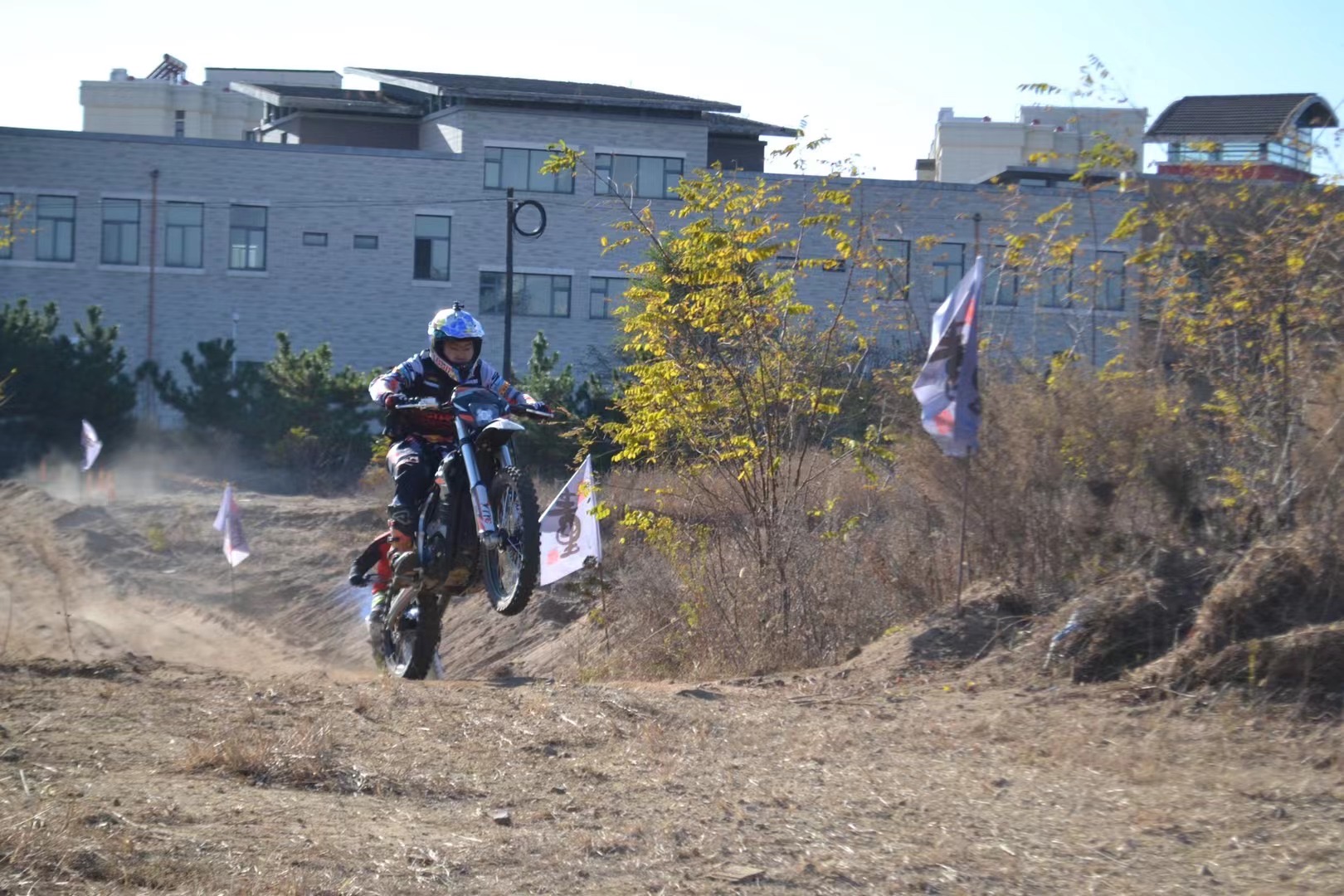
- Instantaneous Torque: This is the electric motorcycle’s party piece. Unlike a petrol engine that must build revolutions to reach its peak torque, an electric motor delivers maximum torque from zero RPM. The result is a launch that can only be described as violent. The motorcycle catapults out of corners and up steep inclines with a relentless, linear force that often surpasses petrol-powered bikes of equivalent class. This immediate power delivery is a transformative advantage on a technical track.
- Power Delivery and Control: Power, measured in kilowatts (kW) – often converted to horsepower (hp) for familiarity – is a function of voltage and current. An electric cross bike can generate staggering power figures, but its most significant characteristic is its linearity. The power band is not a curve but a vast, flat plateau, accessible with a mere twist of the throttle.
1.2 The Battery Pack: The New-Age Fuel Tank
This is the lifeblood of the machine. Electric cross motorcycles rely almost exclusively on high-performance Lithium-ion (Li-ion) or Lithium-Polymer (LiPo) battery packs.
- The Science of Energy Density: These batteries store energy through the movement of lithium ions between an anode and a cathode. Their key advantage is a high energy density – the amount of energy they can store relative to their weight and volume. This is what enables a usable range from a pack that is compact and relatively lightweight, a critical factor for agile off-road handling.
- Capacity and the Range Reality: Capacity is measured in kilowatt-hours (kWh). In the world of electric cross, packs typically range from 2.5 kWh to 5.5 kWh or more. The real-world range is the most significant variable. An expert rider pushing the limits on a demanding motocross track might deplete a battery in 30-45 minutes of hard riding. In contrast, a casual trail ride through a French forest at a moderate pace could extend that to 1.5 or even 2 hours. This remains the primary trade-off compared to a tank of petrol.
1.3 The Controller: The Digital Brain
The controller is the unsung hero, the equivalent of the Engine Control Unit (ECU) and fuel injection system in a petrol bike. This sophisticated piece of electronics acts as the gatekeeper, precisely regulating the flow of electrical energy from the battery to the motor.
- Unparalleled Precision: Based on input from the throttle (often a thumb-throttle for better control), the controller dictates exactly how much current to deliver. This allows for incredibly fine-grained control over traction and power modulation. Most high-end electric cross bikes feature selectable ride modes (e.g., Eco, Trail, Sport, Race) that alter the power curve and the strength of the engine braking, allowing the bike to be tailored to the rider’s skill and the terrain.
1.4 The Drivetrain: Simplification by Design
This is one of the most liberating simplifications. The vast majority of electric cross motorcycles have no gearbox. The electric motor’s power band is so wide and usable that a single-speed transmission is sufficient, typically via a silent, efficient belt drive or a conventional chain. There is no clutch lever to pull, no foot-shifting. The rider’s focus is distilled purely to the essentials: balance, line choice, braking, and throttle control.
Part 2: Why France is Fertile Ground for the Electric Cross Revolution
The adoption of this technology is not global; it thrives in specific conditions. France presents a unique cocktail of factors that make it an exceptionally receptive market.
2.1 A Supportive Regulatory and Environmental Framework
France is at the forefront of Europe’s green transition. Low Emission Zones (ZFE – Zones à Faibles Émissions) are expanding in major cities, and environmental consciousness is deeply embedded in public policy and the national psyche.
- Zero Local Emissions: An electric cross motorcycle produces zero tailpipe emissions. This is a monumental advantage for riding in forests, near residential areas, or in ecologically sensitive natural parks. It aligns perfectly with France’s commitment to preserving air quality and combating climate change.
- Drastically Reduced Noise Pollution: The “roar of silence” is a massive social benefit. The characteristic sound of an electric bike is a faint whir or hum, reducing noise pollution to a fraction of that from a petrol bike. This opens the possibility of establishing tracks or practice areas closer to urban centers, a perennial challenge for traditional motocross clubs plagued by noise complaints.
2.2 The Preservation of “Le Patrimoine Naturel” (Natural Heritage)
France boasts an incredible diversity of protected natural landscapes. The ability to practice a motorized sport that is silent and non-polluting is far more compatible with the ethos of preserving le patrimoine naturel. It fosters a more constructive dialogue with the National Forestry Office (Office national des forêts) and environmental associations, potentially increasing access to riding areas.
2.3 A Thriving Ecosystem of Innovation and Support
Europe, with France playing a key role, is a hub for electric vehicle innovation. While government subsidies like the ecological bonus (prime à la conversion) primarily target on-road vehicles, they create a cultural and economic environment ripe for electrification. Furthermore, European startups like Stark Future (Sweden), with its game-changing VARG model, and established French electric mobility players are energizing the market, supported by a deep pool of engineering talent.
2.4 The Evolution of Riding Culture
The motorcycling community is evolving. A new generation of riders, digitally native and environmentally aware, is naturally drawn to this technology. Simultaneously, seasoned veterans are recognizing the electric cross bike as an unparalleled training tool. The simplicity and immediate power allow them to focus on perfecting body position, cornering speed, and line choice without the mechanical complexity and maintenance overhead of a high-performance petrol engine.
Part 3: The Tangible Advantages: Beyond the Green Credentials
While the environmental benefits are significant, the practical and performance advantages are what truly win over riders.
- Radically Simplified Maintenance: This is a game-changer for time and cost. Gone are oil changes, air filter cleanings, spark plug replacements, carburetor jetting, and exhaust repacking. Maintenance is reduced to checking tyre pressure, brake pads, chain/belt tension, and occasionally the coolant levels for the motor and controller.
- Intuitive and Accessible Riding: The absence of a clutch and gearbox dramatically lowers the barrier to entry for beginners. New riders can concentrate wholly on balance and vision without the coordination overload of managing a manual transmission. It serves as a perfect gateway into the sport.
- A Competitive Weapon: On the racetrack, the instant torque and a low center of gravity (created by placing the heavy battery low in the frame) provide a holeshot advantage and explosive corner-exit speed that is difficult for petrol bikes to match. Dedicated electric motocross championships are emerging, cementing their credibility as high-performance machines.
- Unprecedented Versatility: The quiet operation allows for practice in locations previously off-limits—a farmer’s field, a private plot of land, or even an urban warehouse district—without disturbing the peace. This democratizes access to practice time.
Part 4: The Challenges and the Road Ahead
The revolution is underway, but it is not without its hurdles.
4.1 The Range and Recharging Conundrum
This remains the most significant challenge. While ranges are improving, they still pale in comparison to the energy density of petrol. A full day of riding requires either expensive spare battery packs or access to a power outlet for a recharge, which can take several hours on a standard charger. The industry eagerly awaits breakthroughs in solid-state battery technology and the wider availability of ultra-fast DC chargers.
4.2 The High Initial Cost
At the point of purchase, a high-end electric cross motorcycle commands a significant premium over its petrol-powered counterpart. The costs of R&D and, most critically, the battery pack itself account for this difference. However, this is partially offset by significantly lower running costs—”refueling” with electricity is cheaper than petrol, and the maintenance savings are substantial.
4.3 The Sensory Experience
For some purists, the visceral connection to a motorcycle is inextricably linked to the snarl of the engine, the mechanical feedback through the footpegs, and the ritual of shifting gears. The electric bike offers a different, more clinical experience—quieter, smoother, and more focused on pure performance. This is a matter of personal preference that the industry must navigate.
4.4 The Charging Infrastructure for Adventure
For enduro and adventure riding, the question of recharging far from the grid is a real one. The development of rapid-charging points in rural areas or near popular riding spots, or portable solar charging solutions, is an area for future growth.
The Future: Connected, Lighter, and More Powerful
The trajectory is clear and exciting. The inherent connectivity of the electronics paves the way for smart bikes—motorcycles that can be tuned via a smartphone app, track performance metrics, and receive over-the-air updates. Continued R&D into battery chemistry and lightweight materials like advanced composites and alloys will yield bikes with greater range and less weight. Finally, establishing robust battery recycling programs is crucial to closing the loop and solidifying the environmental credentials of these remarkable machines.
Conclusion: The Inevitable Trajectory of a Silent Revolution
The rechargeable, powerful electric cross motorcycle is not a fleeting trend. It is a profound technological evolution that addresses pressing environmental, social, and performance imperatives. In France, where the passion for motorsport and the reverence for nature must coexist, it emerges not just as an alternative, but as a compelling vision for the future.
It captivates with its mechanical simplicity, its brutal and immediate power, its respectful silence, and its lower cost of ownership. While challenges around range and initial cost persist, the momentum is undeniable. The technology will continue to advance, prices will gradually fall, and the riding culture will adapt and embrace this new paradigm.
So, the next time you walk through a French forest, listen closely. The dominant sound may no longer be the familiar thunder of internal combustion, but the faint, futuristic whir of an electric cross motorcycle, slicing through the trees like a ghost—a powerful, silent testament to a new era of off-road exhilaration. The revolution is electric, and it is already here.
