
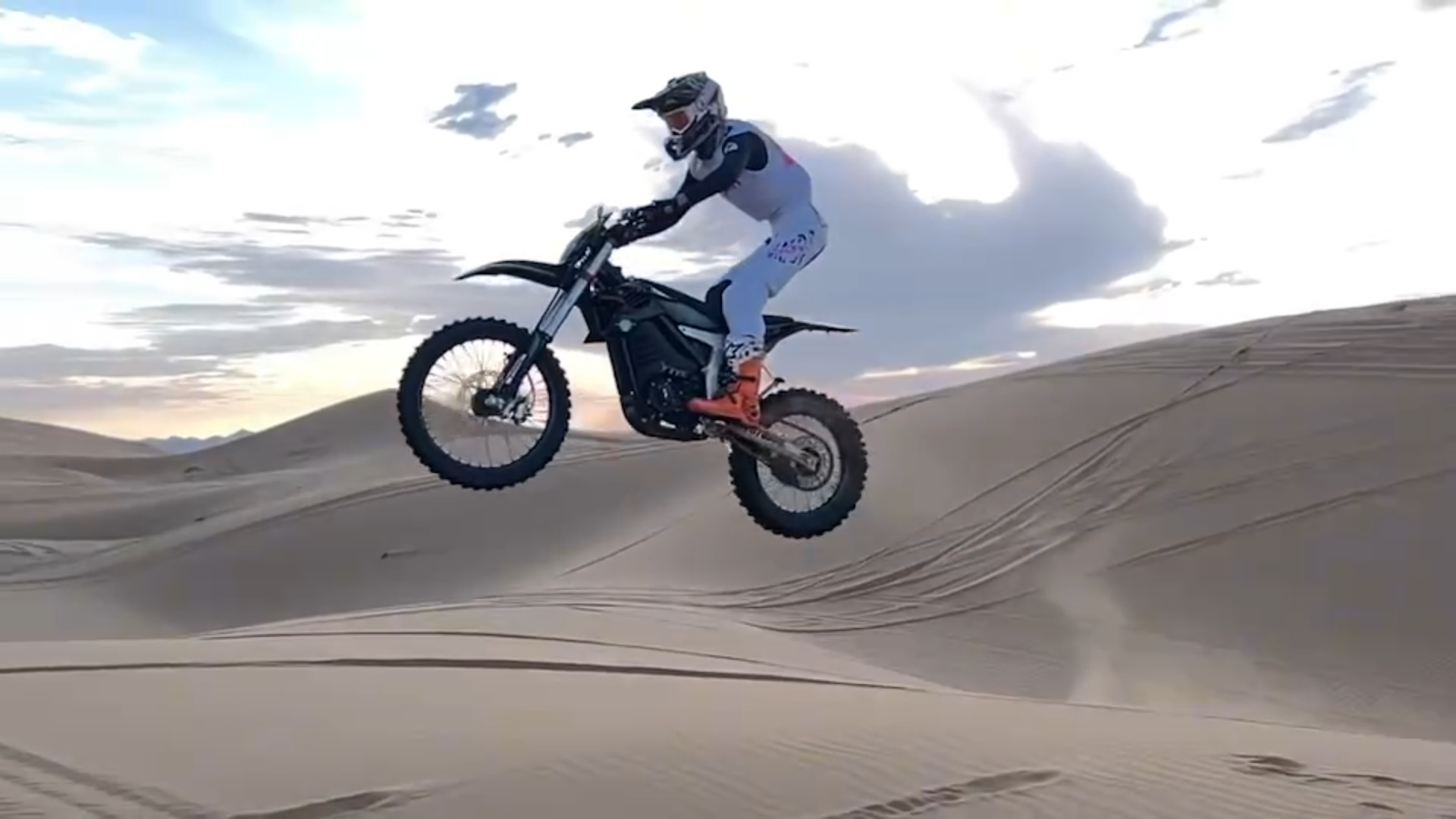
The sound of a two-stroke engine screaming through a secluded forest, the smell of premix fuel in the air—for decades, this has been the signature experience of enduro riding. But a new, silent revolution is carving its own paths through the trails. The Electric Enduro Motorcycle is no longer a futuristic concept; it’s a rapidly maturing reality available from a growing number of manufacturers.
If you’re a seasoned dirt rider or a newcomer to the world of off-road adventure, you’ve likely asked the question: Are these electric dirt bikes truly worth it? The price tags, often higher than their gas-powered counterparts, give many riders pause.
This isn’t a simple “yes” or “no” answer. It’s a complex equation that depends on your riding style, your local terrain, and what you value in the riding experience. This complete buyer’s analysis will dissect every facet of electric enduro ownership, from the visceral thrill to the practical realities, to help you decide if it’s time to go electric.
Part 1: The Electric Revolution – What is an Electric Enduro Motorcycle?
Before we dive into the analysis, let’s define our subject. An Electric Enduro Motorcycle is a purpose-built off-road machine designed for technical trails, cross-country endurance, and challenging terrain. Unlike electric street bikes, they feature long-travel suspension, aggressive knobby tires, lightweight frames, and bodywork tailored for standing riding and handling impacts.
Key players in this emerging market include:
- Zero Motorcycles (FX/FXE): Pioneers in the space, offering more street-legal oriented but capable off-road platforms.
- Stark VARG: The current performance benchmark, boasting staggering power figures and sophisticated software.
- Sur-Ron Light Bee X: The affordable “gateway drug” to the category, immensely popular for modding and light trail duty.
- Cake Kalk: Scandinavian design-focused, minimalist, and high-performance bikes.
- KTM Freeride E-XC: From a legacy dirt bike manufacturer, offering a tried-and-tested package.
These bikes replace the internal combustion engine (ICE) with a high-voltage battery pack and a electric motor, transmitting power to the rear wheel via a belt, chain, or direct drive.
Part 2: The Unbeatable Advantages of Going Electric
This is where the electric argument gets compelling. The benefits aren’t just incremental; they are fundamental shifts in the riding experience.
1. The Power Delivery: Instantaneous Torque
This is the electric bike’s party piece. A traditional ICE must build revs to reach its powerband. An electric motor delivers 100% of its torque instantly from 0 RPM. This translates to:
- Unrivaled Traction and Control: The immediate, linear power allows you to loft the front wheel over obstacles with precision, climb steep, technical hills without stalling, and power out of corners without a clutch slip. It makes technical riding more accessible and less physically demanding.
- Simplified Riding: The learning curve for clutch control and gear shifting is eliminated. You can focus entirely on your line, body position, and braking.
2. The Sound of Silence: A Superpower
The quiet operation of an Electric Enduro Motorcycle is a game-changer for access and etiquette.
- Ride Anywhere, Anytime: Noise complaints are the primary reason trails get closed. An electric bike allows you to ride in areas previously off-limits, early in the morning or late in the evening, without disturbing wildlife, hikers, or local residents. This “stealth” factor is a huge benefit for land access.
- Enhanced Sensation: Without the roar of an engine, you become more connected to your surroundings. You hear the tires gripping the dirt, the suspension working, and the bike communicating with the terrain. It’s an immersive, almost meditative experience.
3. The Maintenance Revolution: Goodbye, Complexity
This is a massive financial and time-saving advantage. Compare the maintenance schedules:
- Gas Bike: Regular oil changes, air filter cleaning, spark plug replacements, coolant flushes, valve adjustments, clutch repairs, and exhaust repacking.
- Electric Bike: Check tire pressure, lube the chain (or check belt), and maintain suspension. There are no fluids (oil, coolant), no filters, no complex top-end rebuilds. The drivetrain is virtually maintenance-free.
4. The Weight Distribution: A Lower Center of Gravity
The heaviest component of an electric bike is the battery pack, which is typically mounted low in the frame. This creates a phenomenally low center of gravity. The bike feels incredibly planted and nimble, making it easier to change direction, handle off-camber sections, and pick up when you drop it (a common occurrence in enduro).
5. The “Just Go” Factor: Unmatched Convenience
No more pre-mixing fuel, priming carburetors, or choking the engine on a cold morning. An electric bike is always ready. You charge it, turn it on, and twist the throttle. For spontaneous after-work rides, the convenience is unbeatable.
Part 3: The Inescapable Challenges & Drawbacks
For all their brilliance, electric enduro bikes are not a perfect solution for every rider. It’s crucial to understand the limitations.
1. The Range and Charging Conundrum
This is the single biggest hurdle.
- Range Anxiety is Real: While a gas bike can be refueled in minutes with a gas can, an electric bike’s range is fixed for the day. An Electric Enduro Motorcycle might offer 2-3 hours of aggressive trail riding, but this plummets with hard acceleration, high speeds, and steep hill climbs. A “100-mile” range is often a best-case, conservative estimate.
- Charging Logistics: Charging requires access to electricity. For a weekend camping and riding trip, this is a major logistical challenge. Fast chargers can reduce charge times to an hour or two, but they require specialized, often expensive, equipment and a powerful outlet (like a 240V source). A standard household outlet can mean an overnight charge.
2. The Sticker Shock: Upfront Cost
High-performance electric vehicles are expensive. A top-tier Electric Enduro Motorcycle like the Stark VARG starts at a premium, often 20-50% more than a comparable high-end gas bike from KTM, Husqvarna, or Beta. While you save on maintenance and fuel, the initial investment is a significant barrier.
3. The Missing Soul? The Emotional Connection
For many riders, the sensory experience is a core part of the hobby. The smell of exhaust, the mechanical symphony of a high-strung engine, the satisfaction of nailing a perfect clutch-up—these are visceral, emotional elements that an electric bike simply cannot replicate. The silence, while a superpower, can also feel sterile to riders who love the raw, mechanical feedback of an ICE.
4. Long-Term Battery Concerns
Lithium-ion batteries degrade over time. While most are rated for hundreds or thousands of charge cycles, after 5-8 years, you may see a noticeable reduction in range. The cost of a replacement battery pack is a looming, unknown future expense that doesn’t exist with gas bikes.
5. Limited Model Availability and Aftermarket
While growing, the selection of electric enduro bikes is still a fraction of the gas-powered market. Finding specific parts, aftermarket upgrades, or even a dealer with a qualified technician can be more difficult than for established Japanese and European brands.
Part 4: The Cost of Ownership Deep Dive
Is an electric bike actually cheaper in the long run? Let’s break down the numbers over a hypothetical 3-year period for a $12,000 electric bike vs. a $9,000 gas bike.
Gas Bike (250cc 4-Stroke):
- Initial Cost: $9,000
- Annual Maintenance (Oil, Filters, Plugs): $300/year = $900
- One Major Service (Valves, etc.): $600 (at year 2)
- Fuel (@ 40 MPG, 1000 miles/year, $4/gallon): $100/year = $300
- 3-Year Total: $10,800
Electric Enduro Motorcycle:
- Initial Cost: $12,000
- Annual Maintenance (Chain/Belt, Suspension): $50/year = $150
- Electricity Costs (2.5 kWh/charge, 200 charges/year @ $0.15/kWh): $75/year = $225
- 3-Year Total: $12,375
Analysis: Over three years, the gas bike is still cheaper in pure dollar terms. However, the gap narrows significantly when you factor in the time savings on maintenance. If you value your time at even $50/hour, the dozens of hours saved on oil changes and air filter cleanings quickly make the electric bike more cost-effective. Furthermore, as gas prices rise and battery costs fall, this equation will continue to shift in electricity’s favor.
Part 5: Buyer Profile – Who is the Electric Enduro For?
After this analysis, it becomes clear that the Electric Enduro Motorcycle is a perfect fit for specific types of riders:
- The Trail Enthusiast & Land Access Advocate: If you ride on private land, near residential areas, or are passionate about keeping public trails open, the quiet operation is not just a benefit—it’s a responsibility.
- The Technical Terrain Specialist: If your passion is slow, gnarly, rock-strewn, and steep hill-climb single-track, the instant torque and control are transformative.
- The Maintenance-Averse Rider: If you’d rather be riding than wrenching, the reduced maintenance is a huge quality-of-life improvement.
- The Urban Dweller: For riders who store their bike in an apartment garage or trailer it to local spots, the “just go” convenience and lack of fumes are major perks.
- New Riders: The lack of a clutch and gears lowers the barrier to entry, allowing new riders to build confidence and skills faster.
Part 6: Who Should Stick with Gas (For Now)?
Conversely, a traditional gas-powered enduro bike is still the better choice if you:
- Are a Long-Distance or Rally Rider: If your rides are all-day, 100+ mile epics far from any power source, the quick refueling of a gas bike is indispensable.
- Love the Sound and Feel of an ICE: If the mechanical symphony is a non-negotiable part of the joy of riding for you, an electric bike will feel lacking.
- Operate on a Tight Budget: The lower upfront cost of a gas bike, especially a used one, is hard to argue with.
- Need Easy Field Repairs: A broken chain on a gas bike is a simple fix. A fault in a motor controller or battery management system on an electric bike is a trail-side showstopper.
Conclusion: The Verdict – A Paradigm Shift, Not Just a Purchase
So, is an Electric Enduro Motorcycle worth it?
The answer is a resounding “It depends, but for a growing number of riders, absolutely yes.”
Purchasing an electric enduro is not just buying a different type of motorcycle; it’s buying into a different philosophy of riding. It’s a trade-off: you exchange the freedom of limitless range for the freedom of silent, low-maintenance, and intensely focused trail riding.
The technology is already mature enough to deliver a riding experience that is, in many technical situations, superior to gas power. The drawbacks of range and cost are real, but they are being aggressively addressed by manufacturers with each new model year.
Final Advice: If your riding patterns align with the strengths of electric power, and the upfront cost is not a deal-breaker, test ride one. A 30-minute demo on your favorite type of trail is the most convincing argument you will ever find. The instant, silent surge of power and the newfound connection to the terrain have a way of making range anxiety and the missing engine sound feel like a small price to pay for a glimpse into the future of off-road motorcycling.
That future is quiet, clean, and incredibly powerful. And it’s waiting for you on the trail.
