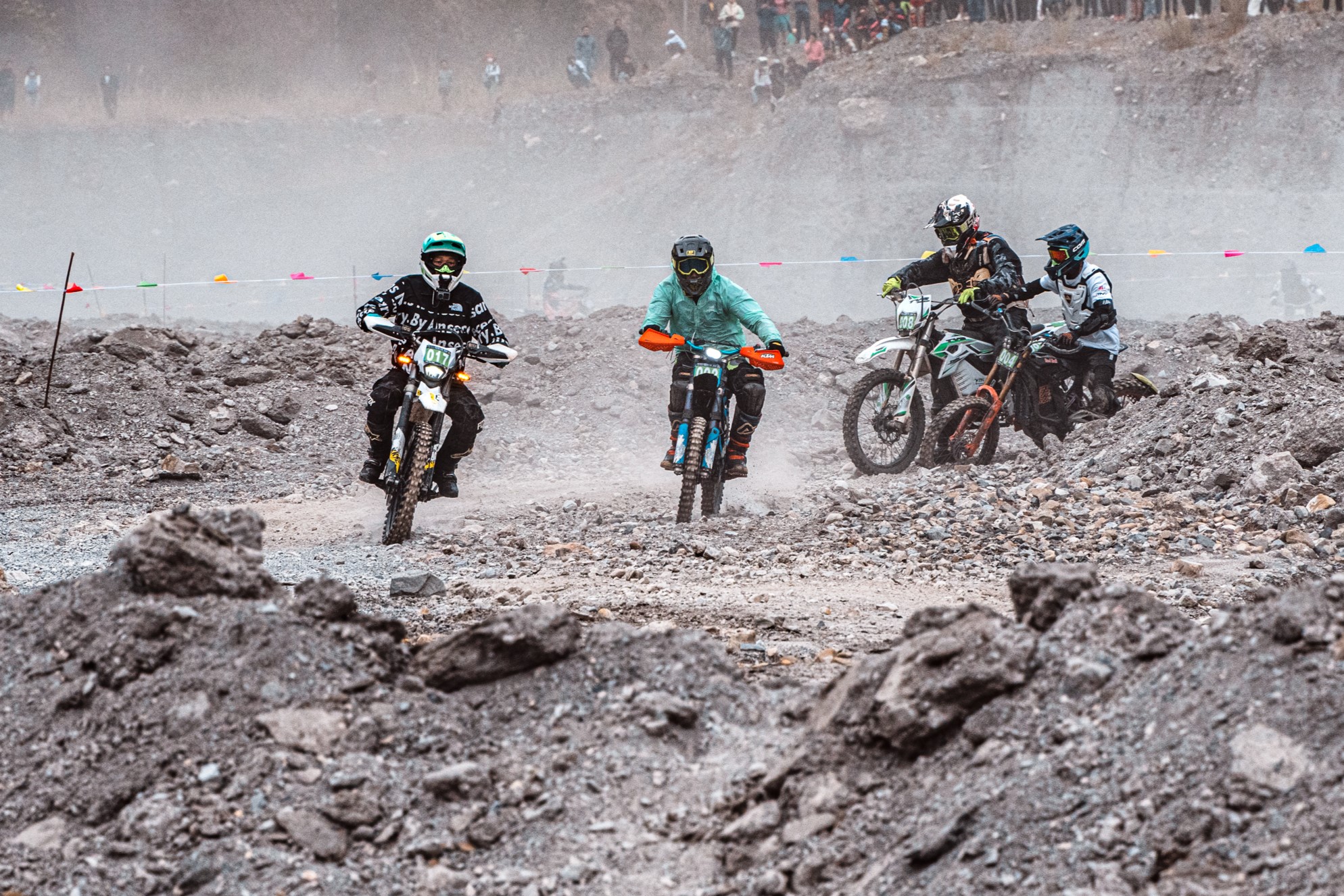
The world of motocross and trail riding is undergoing a silent revolution. The familiar scream gas engines in some cases, replaced—by the futuristic whir of electric power. Electric dirt bikes are no longer a niche concept; they are a legitimate, high-performance, and incredibly appealing option for riders of all levels.
If you’re considering joining this revolution and purchasing your first electric dirt bike, you’re making an exciting choice. But navigating this new landscape can be daunting. With terms like kW, Nm, and kWh replacing cc and horsepower, how do you even begin to choose?
This guide is designed to demystify the process. We’ll walk you through every critical factor, from understanding your riding style to decoding technical specifications, so you can confidently choose the perfect electric steed to kickstart your off-road adventures.
Why Go Electric? Understanding the Benefits
Before we dive into the “how,” let’s solidify the “why.” Electric dirt bikes offer a unique set of advantages that make them particularly well-suited for beginners and veterans alike.
- Silent Operation: This is a game-changer. Ride on private property without disturbing neighbors, explore trails that are sensitive to noise pollution, and simply enjoy the sounds of nature as you ride. The peace of mind is invaluable.
- Instant Torque and Linear Power: Electric motors deliver 100% of their torque instantly from 0 RPM. This means breathtaking acceleration out of corners and incredibly precise throttle control. There’s no clutch to fiddle with or power band to wait for, allowing you to focus purely on riding technique.
- Minimal Maintenance: Forget about oil changes, air filters, spark plugs, carburetor jetting, or valve adjustments. The maintenance schedule is drastically simplified, typically involving just checking the chain, brakes, and suspension. This saves you time, money, and hassle.
- Lower Operating Cost: “Refueling” by plugging into a standard wall outlet is significantly cheaper than buying premium gasoline. With far fewer moving parts, long-term maintenance costs are also lower.
- Rider-Friendly: The lack of a clutch and stalling makes electric bikes less intimidating for beginners. They are fantastic learning tools that build confidence quickly.
Key Factors to Consider When Choosing Your First E-Dirt Bike
1. Define Your Riding Style and Terrain
This is the most important question to answer. Where and how you plan to ride will dictate almost every other choice.
- Motocross (MX) / Track Riding: Are you hitting the jumps and whoops at your local motocross track? You’ll need a bike with serious power, high-performance, adjustable suspension, and a robust frame to handle big air and hard landings.
- Trail / Enduro Riding: For exploring wooded single-track, climbing hills, and technical terrain, look for a bike with good low-end torque, a manageable power curve, and suspension tuned for rocks and roots rather than big jumps. Light weight is a huge advantage here.
- Recreational / Backyard Riding: If you’re just starting out or primarily riding in fields and on mild trails, you can prioritize affordability and ease of use over raw performance. This is where many smaller, more affordable models shine.
- Dual-Sport / Adventure: A small but growing segment, some e-dirt bikes are now coming street-legal from the factory, allowing you to connect trails without a truck.
2. Power and Performance: Decoding kW, Nm, and Top Speed
Forget displacement (cc). Electric bike performance is measured in kilowatts (kW) and Newton-meters (Nm).
- Power (kW): Think of this as the bike’s “horsepower.” It determines your top speed and high-end power.
- ~3-6 kW: Entry-level power. Perfect for kids, small adults, and beginners. Top speeds typically 30-45 mph. (Analogous to a 50cc-125cc gas bike).
- ~7-14 kW: Mid-range power. This is the sweet spot for most adult beginners and intermediate trail riders. Offers thrilling acceleration and top speeds of 45-60 mph. (Analogous to a 125cc-250cc gas bike).
- 15+ kW: High performance. These are full-size, competition-ready machines with power equivalent to a 250cc-450cc MX bike. Top speeds can exceed 70+ mph. They can be overwhelming for a true beginner.
- Torque (Nm): This is the rotational force, or the “grunt” that gets you moving. Higher Nm means faster acceleration and better hill-climbing ability. Electric bikes excel here, often producing torque figures that embarrass much larger gas bikes.
- Ride Modes: Many e-dirt bikes feature selectable ride modes (e.g., Eco, Trail, Sport, Race). These are incredibly useful for a beginner. You can start in a low-power, tame mode to build confidence and gradually unlock more performance as your skills improve.
3. Battery & Range: The “Fuel Tank” of Your E-Bike
Range anxiety is the biggest concern for new EV owners, and it’s no different here. However, unlike a car, your riding style has a massive impact on range.
- Battery Capacity (kWh): This is the size of your “fuel tank.” A larger kWh number means more range. Smaller bikes might have a 1.5 kWh battery, while full-size models can have 2.5-5.3 kWh or more.
- Estimated Range: Manufacturers provide estimates, but take them with a grain of salt. Aggressive, high-speed riding on a track can drain a battery in under 30 minutes. Gentle trail riding can often double the estimated range. A good rule of thumb for a beginner is to look for a bike that claims at least 1-2 hours of mixed riding.
- Charging Time: Most bikes charge on a standard 110V household outlet. Charging times can range from 1.5 hours for a small battery to 6-8 hours for a large, fully drained one. Some premium models offer optional fast chargers that can cut this time in half.
- Removable Battery? This is a highly desirable feature. A removable battery allows you to:
- Charge it anywhere without bringing the whole bike inside.
- Swap in a spare battery for extended ride days (though spare batteries are expensive).
- Store the battery in a climate-controlled environment, which is better for its long-term health.
4. Suspension, Brakes, and Chassis
The electric motor might be the heart, but the chassis is the soul. A good frame, quality suspension, and strong brakes are what keep you safe and in control.
- Suspension: This is critical for handling and comfort.
- Forks: Inverted (upside-down) forks are generally a sign of a more performance-oriented bike.
- Travel: More travel (measured in mm/inches) generally means better ability to absorb big hits and land jumps. MX bikes need more travel than trail bikes.
- Adjustability: As you progress, you’ll want suspension you can tune (preload, compression, rebound damping) to your weight and riding style.
- Brakes: Hydraulic disc brakes are standard. Larger rotors and multi-piston calipers provide more stopping power, which is essential for controlling the instant torque of an e-bike.
- Frame and Weight: Aluminum frames are common on higher-end models for their strength and light weight. Pay close attention to the bike’s weight. A lighter bike is easier to maneuver, pick up, and feels less intimidating. Electric dirt bikes often have a very low center of gravity due to the battery placement, which makes them feel lighter and more agile than their total weight might suggest.
5. Ergonomics and Size
A bike must fit you physically. You need to be able to touch the ground comfortably and feel in control.
- Seat Height: This is the most important measurement. As a beginner, being able to put at least the balls of your feet on the ground is crucial for confidence. Don’t get a bike with a sky-high seat if you have a shorter inseam.
- Overall Dimensions: Consider the bike’s length and handlebar height. Does it feel cramped or roomy for your size?
- Weight (Again): We can’t stress this enough. A 150 lb. beginner will struggle with a 250 lb. bike. A 110 lb. bike is manageable and forgiving.
6. Price and Total Cost of Ownership
Electric dirt bikes have a higher upfront cost than their entry-level gas equivalents. However, you must consider the TCO.
- Purchase Price: Ranges from ~$1,500 for kid-sized/ultra-light models to $12,000+ for professional-level race bikes. The sweet spot for a good-quality adult beginner bike is typically $4,000 – $8,000.
- “Fuel” Cost: Electricity is cheap. A full charge might cost pennies compared to $10-$15 for a tank of gas.
- Maintenance Cost: With no engine oil, filters, or plugs to replace, your ongoing costs are limited to tires, brake pads, chain lube, and occasional suspension service. This adds up to significant savings over time.
Top Contenders in the Market (A Snapshot for Beginners)
- For Youths & Small Adults / First-Time Riders:
- Segway / Sur-Ron : Often the gateway drug into the e-dirt bike world. Affordable, lightweight, tons of fun, and hugely modifiable. Blurs the line between a powerful e-bike and a lightweight e-moto.
- For Adult Beginners / Trail Riders:
- Zero FX: The most well-known electric dual-sport. Offers a more motorcycle-like experience, is street-legal, and has multiple modes. A great “do-it-all” option.
- Cake Kalk&: Scandinavian design, minimalist, lightweight, and premium. Focused on pure, silent off-road exploration.
- Talaria Sting R / MX: A step up from the Sur-Ron, often called a “Sur-Ron killer.” Offers more power, better suspension, and a more capable chassis out of the box for a great price.
- For Serious Beginners / Aspiring Racers:
- TYEMOTOR: From a legendary dirt bike manufacturer. A high-quality, capable, and genuine enduro machine with premium components. A serious bike for those who know they want to progress quickly.
- Stark Varg: This is the bike that shook the industry. With an unbelievable 80 hp, incredible lightness, and 100+ customizable power curves, it’s a MX beast. While it’s a competition bike, its ability to be tuned down to a beginner-friendly mode makes it a fascinating “buy once, cry once” option for those with the budget.
The Final Checklist Before You Buy
- Ride, If Possible: The feel of instant torque is unique. Try to demo a bike at a dealer or through a friend.
- Research the Brand: Look into their customer support, warranty length (battery warranty is key!), and availability of parts.
- Consider Aftermarket Support: Are there upgrade parts available? Handguards, skid plates, and different seats can greatly enhance your experience.
- Gear Up! Electric bikes are silent, but they are not slow. Protect your investment (and yourself) with a DOT-approved helmet, goggles, boots, gloves, and body armor. The only thing people will hear is you crashing, so make sure you’re protected.
Conclusion: Embrace the Future
Choosing your first electric dirt bike is an exciting journey into the next chapter of motorcycling. By prioritizing your riding style, understanding the new language of electric performance, and being honest about your skill level, you can find a machine that isn’t just a tool for fun, but a partner in learning.
The electric dirt bike eliminates so many of the barriers that once intimidated new riders—the complexity, the noise, the maintenance. It distills the sport down to its purest essence: the thrill of gripping the handlebars, twisting the throttle, and feeling the trail unfold beneath you in near-silent, instantaneous bursts of acceleration.
Welcome to the revolution. Your new favorite ride is waiting, and it’s quieter than you ever imagined.
