
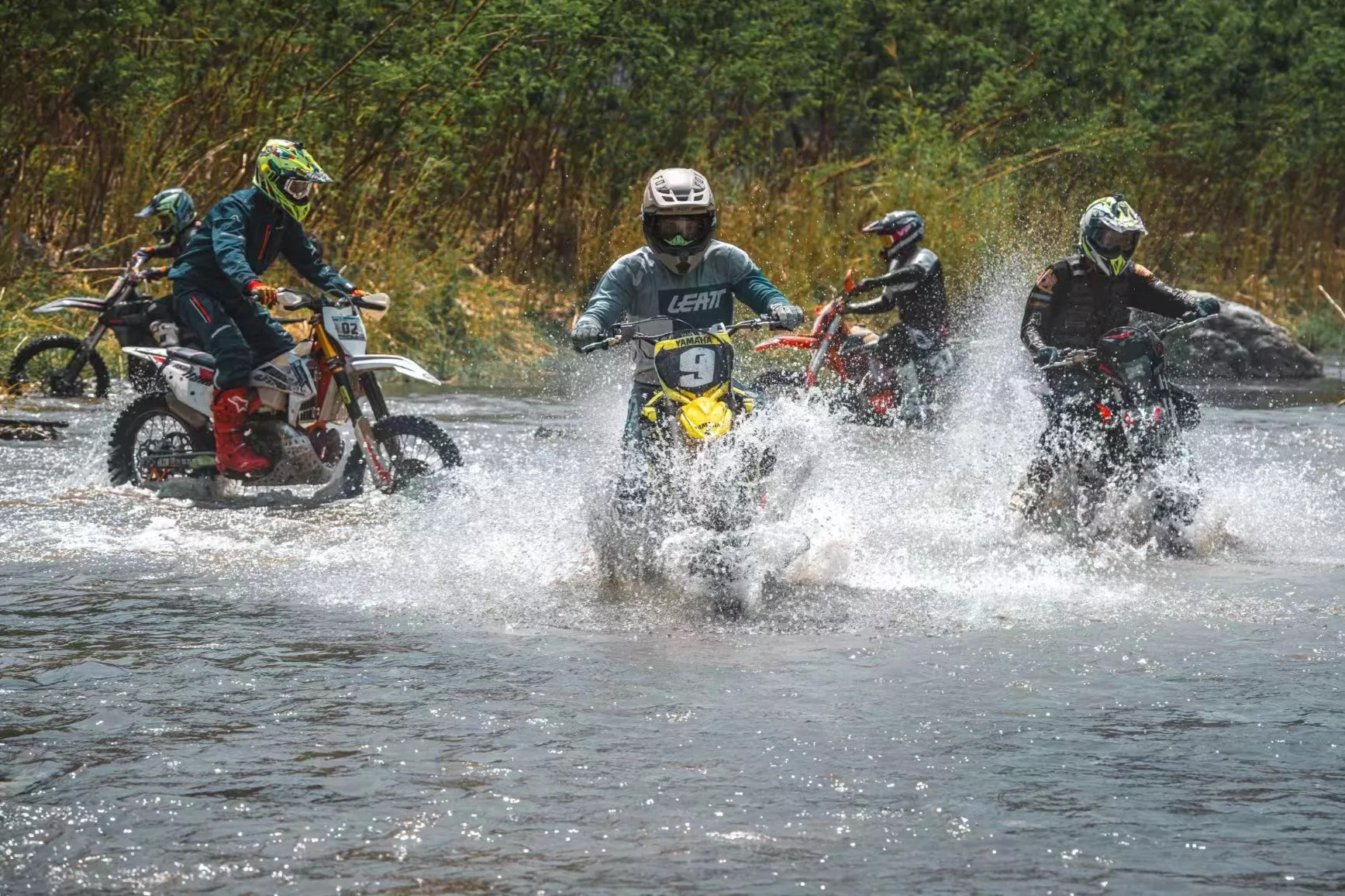
Introduction to Adult Electric Dirt Bike
Ten years ago the words “electric” and “dirt bike” rarely appeared in the same sentence. Today, they are the fastest-growing segment in off-road motorcycling. An adult electric dirt bike is a full-size machine built for riders 16 years and older, powered exclusively by a rechargeable lithium-ion battery and a brushless DC motor. There is no gasoline tank, no exhaust pipe, and—most importantly—no pull cord. You twist the throttle and 100 % of the motor’s torque is available instantly, launching you up a rock-strewn hill or across a sand wash without the vibration, heat, or noise of a combustion engine. Companies such as TYEMOTOR, E Ride, and Sur-Ron now offer models that rival 250 cc–300 cc gas bikes in raw performance while weighing 30–40 % less.
Benefits of Electric Dirt Bikes
- Instant, Linear Power
A high-output electric motor delivers peak torque from 0 rpm. This means no clutch feathering, no stall-outs, and precise traction control on technical climbs. - Whisper-Quiet Operation
At 65 dB—about the volume of normal conversation—electric dirt bikes can be ridden in noise-sensitive areas where gas bikes are banned. - Low Operating Cost
Electricity costs roughly $0.02 per mile versus $0.15–$0.20 for gasoline. There are no oil changes, air filters, or spark plugs. Over five years, owners typically save 40–50 % on maintenance. - Beginner-Friendly Ergonomics
With no hot exhaust or kick-start lever, new riders can focus on balance and line selection. Most adult models also feature three riding modes—Eco, Trail, and Sport—allowing skill-based power scaling. - Lightweight & Agile
A 72 V, 12 kW electric dirt bike with a 60 Ah battery weighs around 135 lb (61 kg), roughly the same as a 125 cc two-stroke but with double the torque. Less mass equals easier pickups and quicker direction changes.
Environmental Advantages
Zero Emissions at the Point of Use
Every mile ridden on an electric dirt bike prevents approximately 0.4 kg of CO₂ compared to a 250 cc gasoline equivalent. Over a 1,000-mile season, that is the carbon sequestration of 25 mature trees.
Reduced Noise Pollution
Wildlife biologists have documented a 40 % increase in animal sightings on trails after gas motorcycles were replaced with electric ones. The absence of engine roar also fosters better relations with hikers, equestrians, and nearby residents.
No Fuel Spillage or Ground Contamination
Without gasoline, two-stroke oil, or coolant, there is zero risk of soil or groundwater contamination, making electric dirt bikes the only true “leave-no-trace” option for backcountry exploration.
Choosing the Right Electric Dirt Bike
Step 1: Define Your Riding Style
- Trail / Enduro: Look for 7–12 kW motors, 40–60 Ah batteries, long-travel suspension (250 mm+), and DOT-approved knobby tires.
- Dual-Sport / Commuter: Prioritize road-legal lighting, mirrors, and a 45 mph top speed.
- Freeride / Technical: Opt for lightweight frames (under 120 lb), 2–3 ride modes, and swappable batteries for extended sessions.
Step 2: Evaluate Key Specs
Power & Range
- 3 kW–5 kW: 20–30 mile range, ideal for beginners or kids transitioning to adult bikes.
- 7 kW–10 kW: 40–50 miles at mixed speeds; suitable for intermediate riders.
- 12 kW+: 60 + miles and top speeds of 60 mph; designed for expert terrain.
Battery Chemistry & Charging
Modern packs use Li-NCM or LiFePO4 cells. A 72 V 40 Ah pack charges from 0–80 % in 90 minutes on a 1.8 kW charger; many brands offer optional 3 kW rapid chargers that cut time to 45 minutes. Swappable batteries—available on models such as the TYEMOTOR TYE3000—let you double range in seconds.
Suspension & Brakes
Air-sprung forks with compression and rebound adjustment, plus rear linkage systems, are now standard on mid-range and high-end bikes. Hydraulic disc brakes (200 mm rotors front and rear) provide fade-free stopping power on steep descents.
Step 3: Fit & Ergonomics
Seat height ranges from 34 in (865 mm) on entry-level bikes to 37.5 in (953 mm) on competition models. Test-ride if possible; you should be able to touch the balls of both feet while seated for optimum control. Handlebar width and footpeg placement should allow comfortable standing over long sections.
Step 4: Budget & Incentives
Expect to invest $4,000–$5,500 for a capable mid-range machine and $7,000–$10,000 for high-performance models. Some regions offer rebates up to $1,000 for zero-emission off-road vehicles; check local incentives before purchase.
Essential Gear for Electric Dirt Biking
Helmet: DOT or ECE full-face; carbon/Kevlar shells save ~300 g over fiberglass.
Goggles: Anti-fog, tear-off posts for muddy conditions.
Body Armor: CE-level-2 chest protector, articulated elbow/shoulder pads, and kidney belt.
Gloves: Dual-layer palms and knuckle guards.
Jersey & Pants: Moisture-wicking, vented fabrics with reinforced seat and inner-leg panels.
Knee Braces: Hinged, medical-grade frames prevent hyper-extension.
Boots: MX-specific, oil-resistant soles with replaceable buckles.
Accessories: Hydration pack (2–3 L), compact first-aid kit, and a GPS beacon for remote trails.
Maintenance Tips for Electric Dirt Bikes
Battery Care
- Charge to 80 % for daily rides; store long-term at 50 % in a cool, dry place.
- Avoid deep discharges below 10 %; they shorten cell life.
- Inspect connectors monthly for corrosion; dielectric grease prevents moisture ingress.
Drive System
- Check chain tension every 5 hours of riding; electric torque can stretch chains quickly.
- Lubricate with a non-fling, ceramic-based lube rated for high torque loads.
Suspension & Bearings
- Clean fork seals after each muddy ride with a Seal Doctor tool.
- Grease linkage bearings every 25 hours; use waterproof lithium complex grease.
Brakes
- Sintered pads last longer in wet conditions but generate more heat—monitor rotor color.
- Bleed hydraulic lines annually; DOT 4 fluid absorbs moisture over time.
Software & Firmware
Manufacturers such as TYEMOTOR release firmware updates that improve throttle mapping and regenerative braking algorithms. Connect via Bluetooth every six months to ensure peak performance.
Seasonal Storage
- Fully charge, then discharge to 50 %.
- Remove battery and store indoors at 60 °F (15 °C).
- Elevate the bike on a stand to relieve suspension and tire stress.
- Place a moisture-absorbing pack in the controller housing.
Conclusion
The adult electric dirt bike is no longer a compromise; it is a categorical leap forward in technology, performance, and environmental stewardship. With instantaneous torque, near-silent operation, and a drastically reduced maintenance burden, these machines allow riders to explore farther, ride harder, and tread lighter on the planet. Whether you are a weekend warrior eyeing single-track epics or a daily commuter seeking a backcountry shortcut, the modern electric dirt bike offers a customizable, future-proof solution. Charge up, gear up, and discover how electrification is redefining off-road freedom—one kilowatt at a time.
